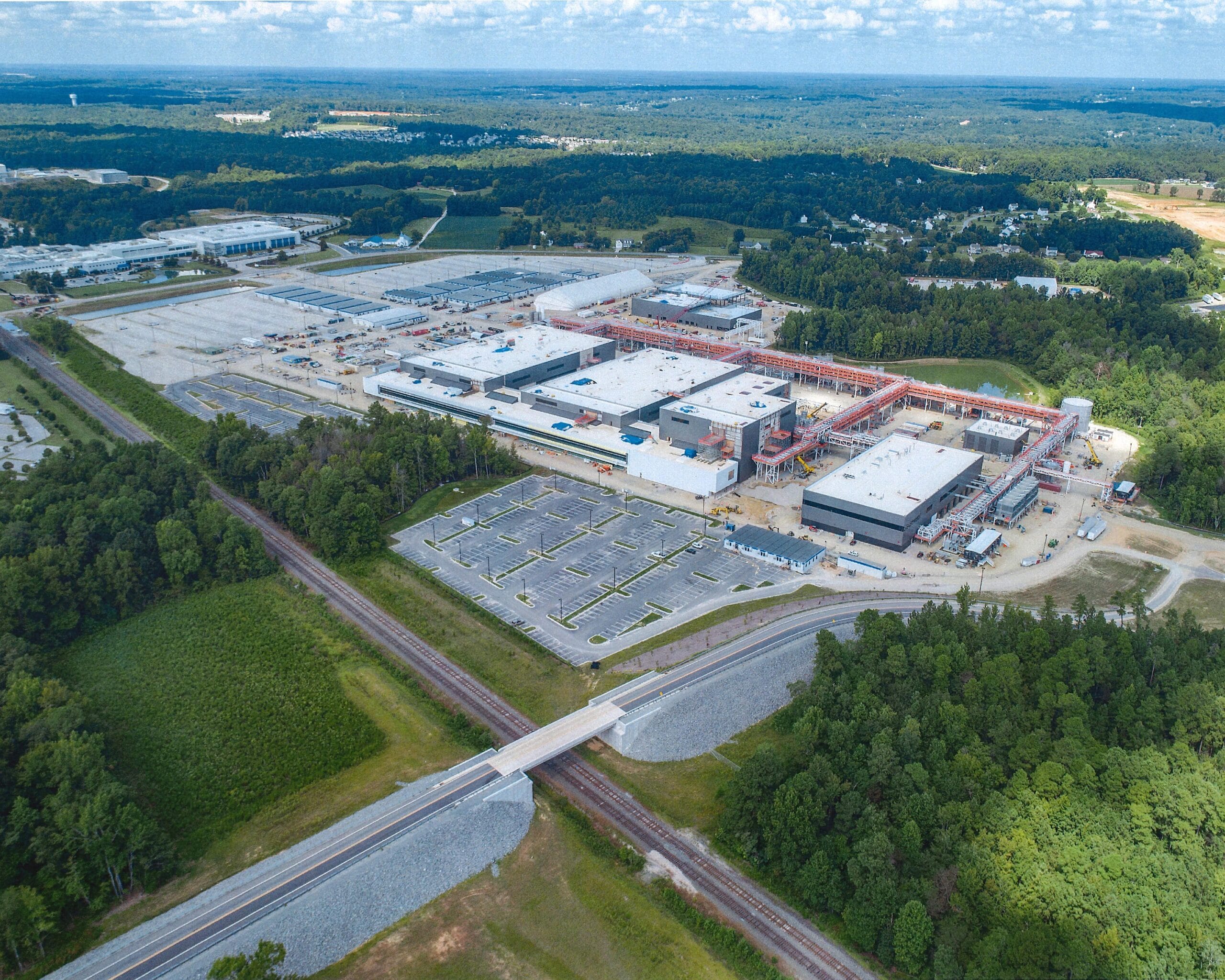
Geotechnical Drilling & Subsurface Investigation
S&ME provides geotechnical drilling and site investigation services that evaluate soil, rock, and groundwater conditions before construction. We collect subsurface data that identifies risk and informs engineering design.
Discuss Your Project with Our Team
What’s included:
- Soil borings, rock corings, and groundwater sampling across variable subsurface conditions
- Standard penetration testing (SPT) and other in-situ testing methods
- Site characterization and soil testing results in geotechnical report
- Monitoring well installation and environmental sampling
When it’s needed:
- Geotechnical investigation for early site decisions
- Site constraints are unclear or show variable subsurface conditions
- Earthwork design requires suitable fill data for site grading
- Evaluation of foundation risks like settlement from structural loading or liquefaction potential
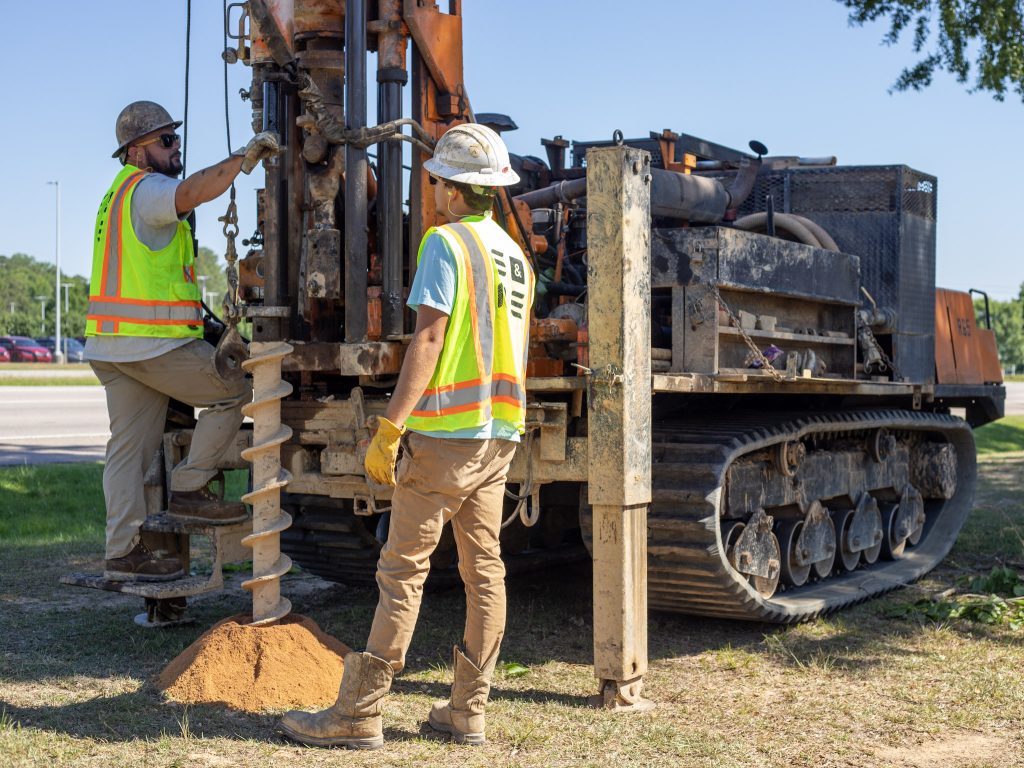
Subsurface Data that Drives Geotechnical Engineering
Get more than underground borings. S&ME offers drilling services backed by geotechnical engineering and materials testing, turning drilling data into design recommendations.
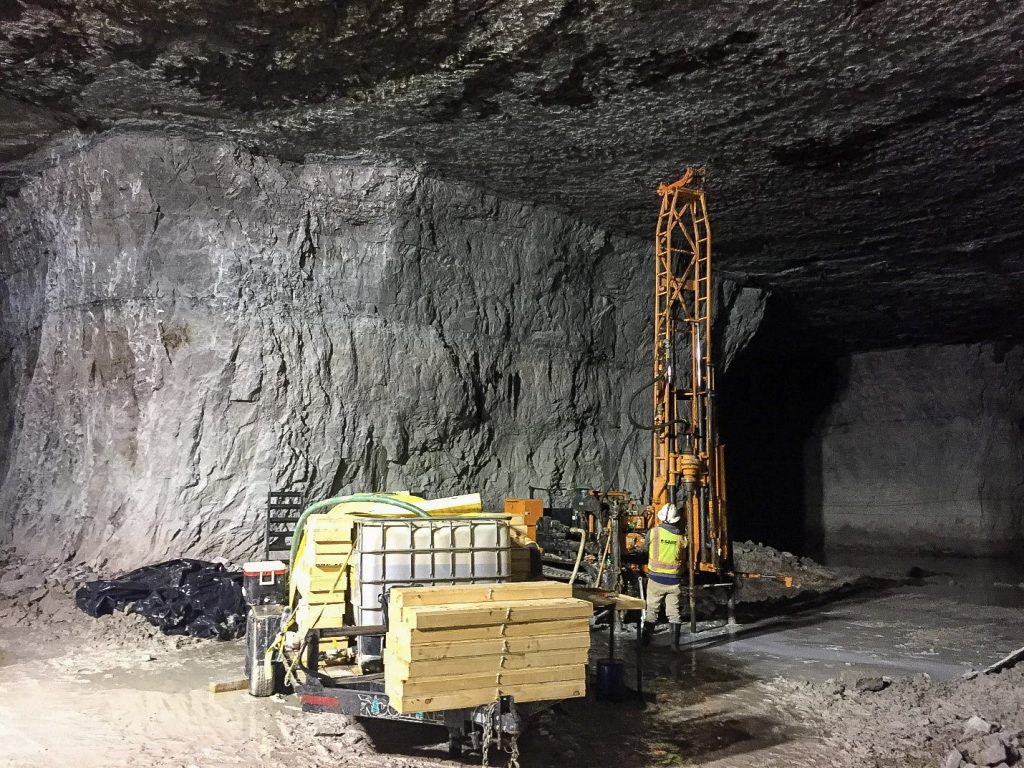
Site Characterization for Difficult Access Drilling
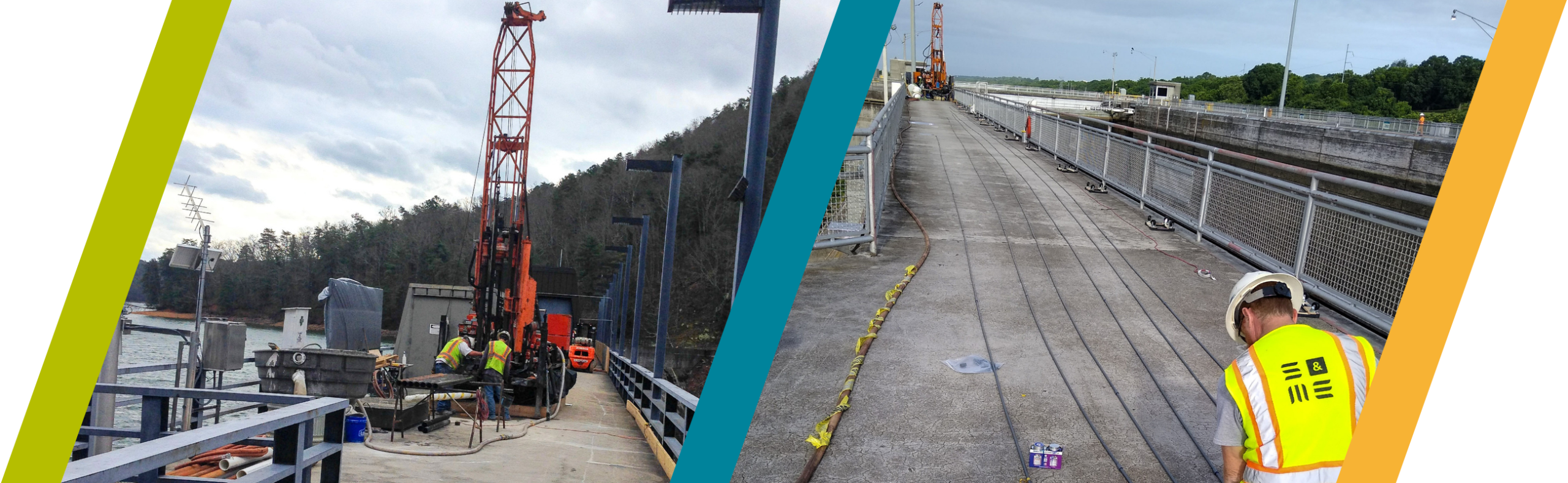
From narrow utility corridors to dam crests, S&ME’s drill rig fleet is designed to reach locations conventional rigs can’t.
Our Approach to Geotechnical Drilling and Sampling
Our geotechnical drilling techniques are tailored to site conditions including vertical, angled, and directional drilling. Methods of geotechnical investigation include:
- Hollow-stem auger, mud rotary, and air rotary drilling
- Undisturbed sampling using piston, Pitcher, and GUS samplers
- Specialized rigs for difficult access drilling
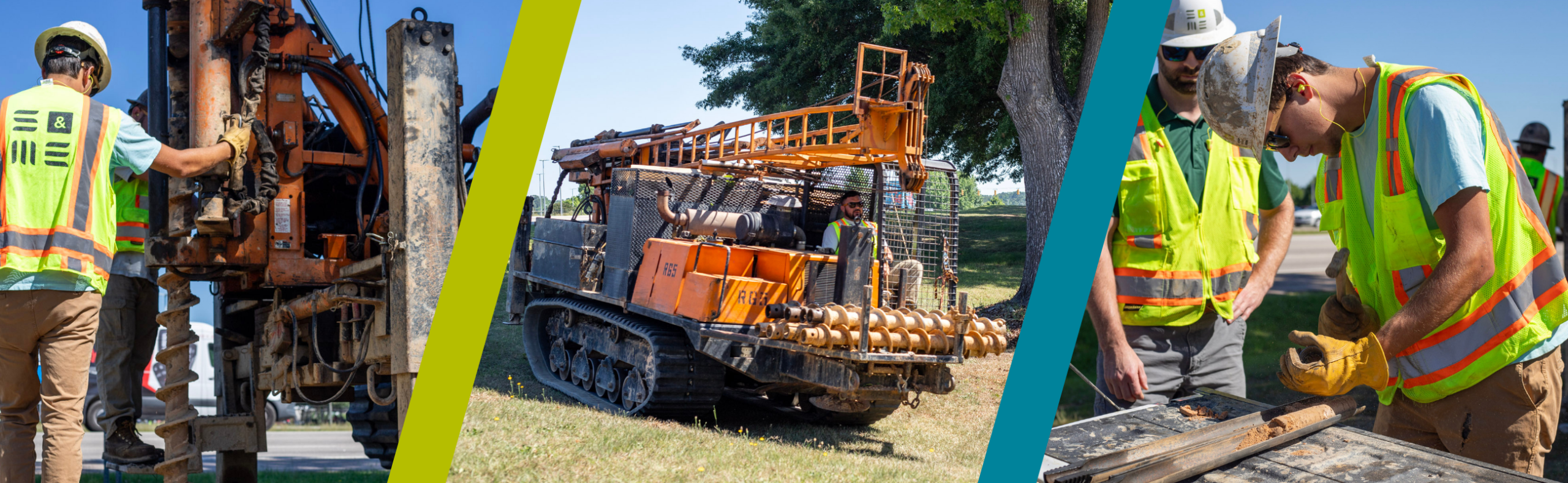
Along with experienced, licensed personnel who operate our fleet, S&ME employs in-house mechanics and fabricators to service our drill rigs, support trucks, vessels, and equipment for the most accurate geotechnical report data collection.
Project Feature: Geotechnical Investigation for Red Hat Amphitheater Relocation
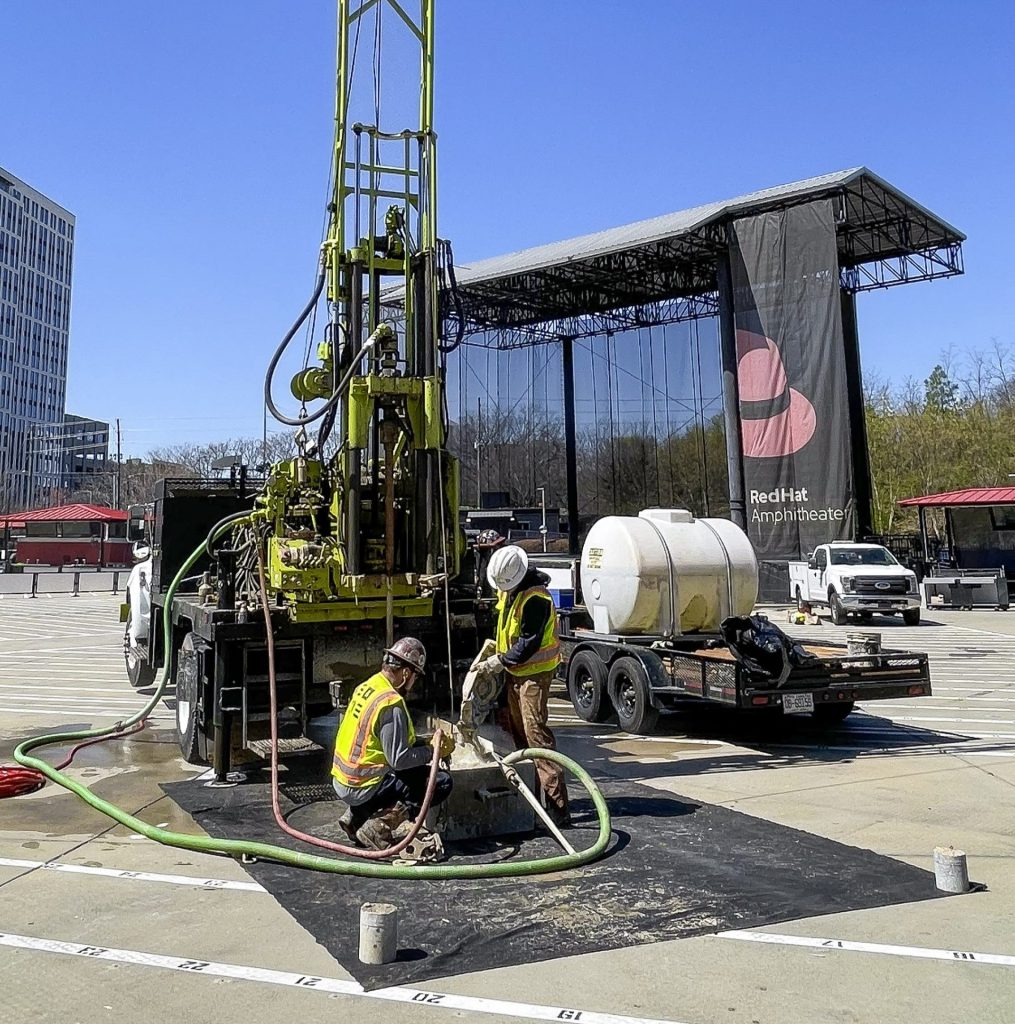
The new Red Hat Amphitheater in Raleigh will include a stage, support facilities, and seating for 6,000 guests. S&ME provided soil borings, geotechnical testing, and engineering design solutions. S&ME’s geotechnical investigation helped the project team understand subsurface conditions and adjust the amphitheater design.
Project Highlights
- Completed 18 soil borings in two phases using a truck-mounted rig with mud rotary techniques and hollow stem auger methods.
- Documented erratically compacted fill, shallow rock, moisture-sensitive soils, and groundwater conditions across the site.
- Informed design changes that reduced column loads and allowed for conventional shallow spread footings instead of intensive ground improvement measures.
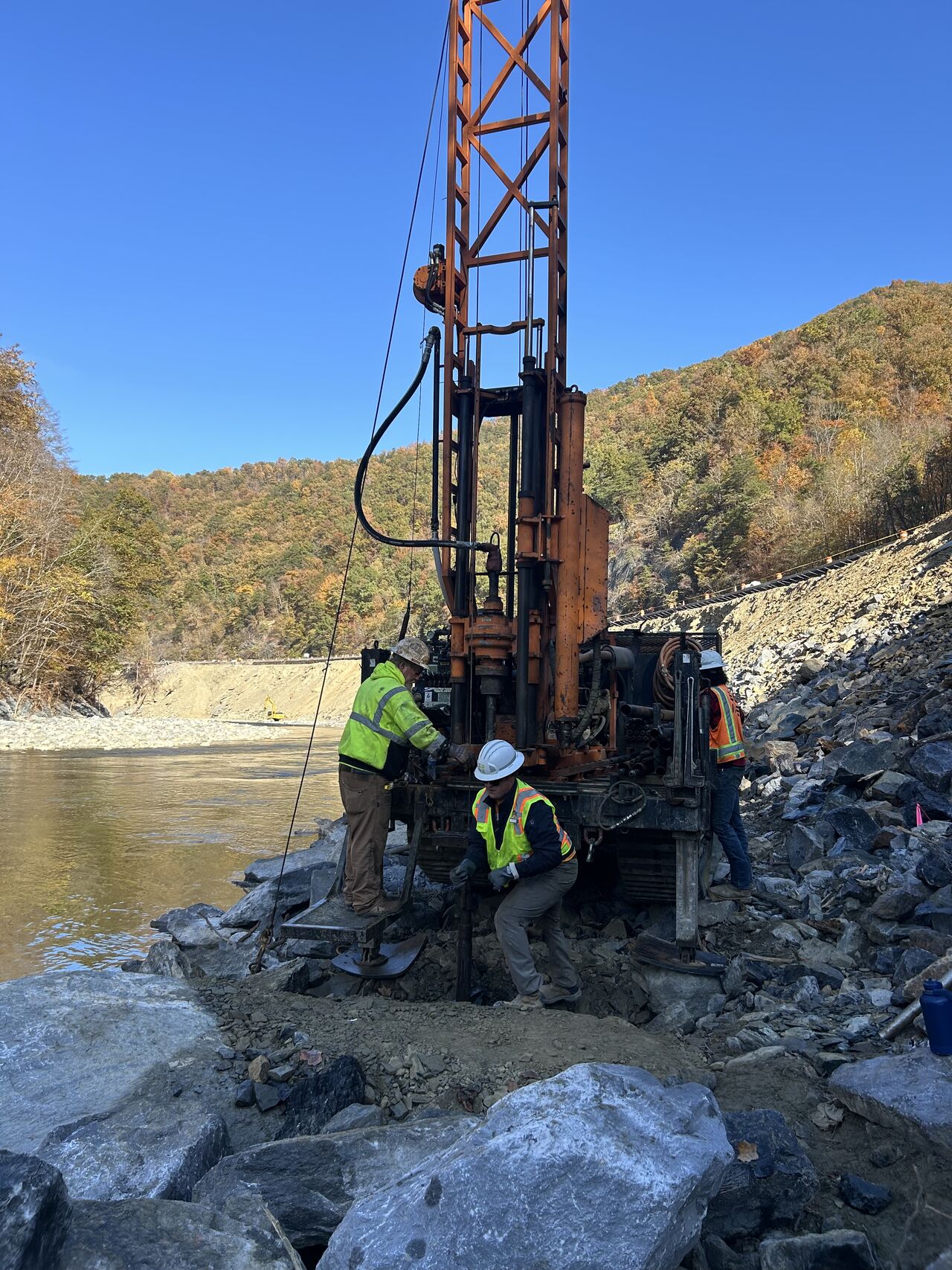
We perform geotechnical exploration in nearly any rough terrain from restricted inland areas to overwater drilling project sites.
Underground Boring for Transportation Infrastructure
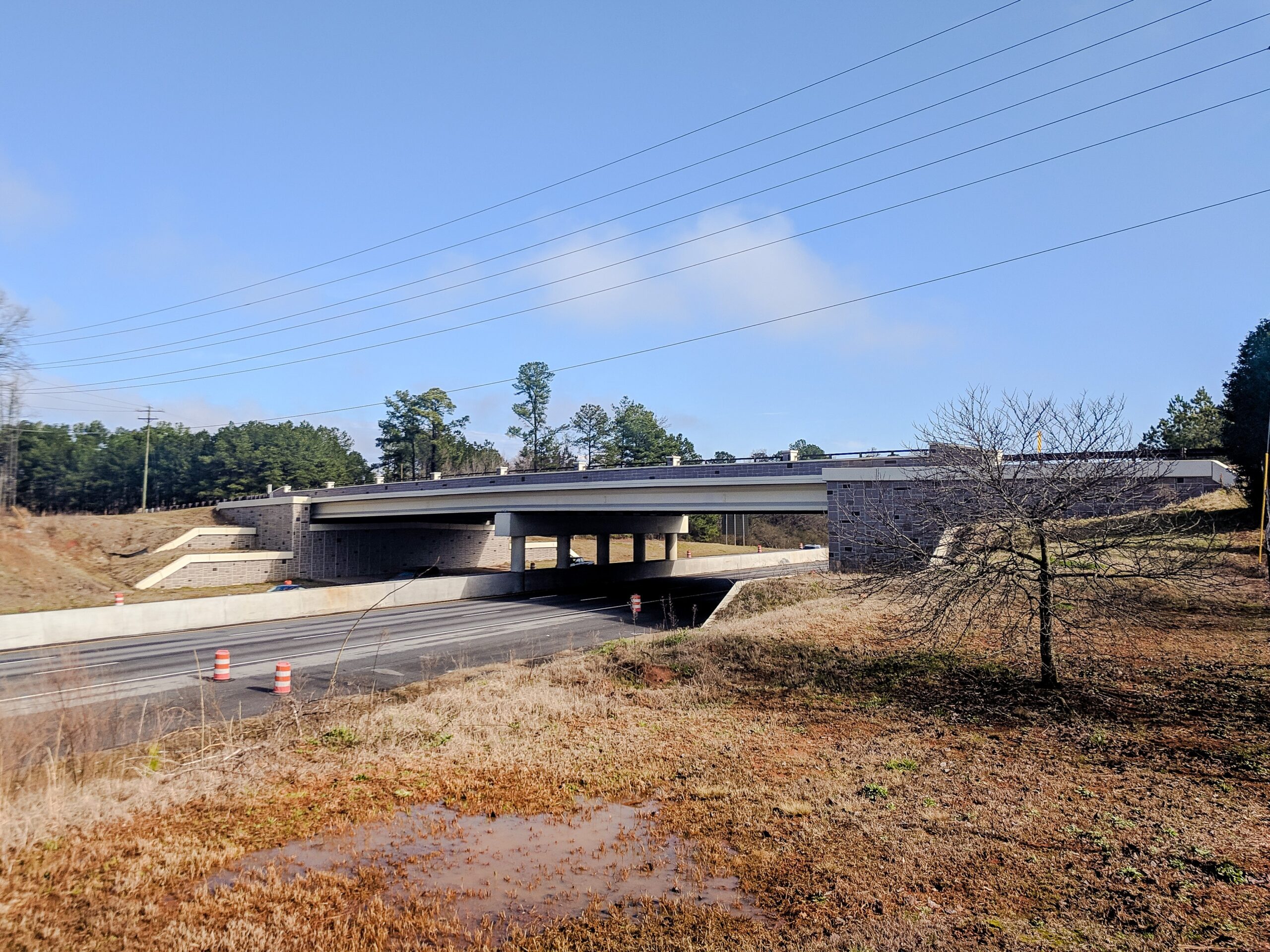
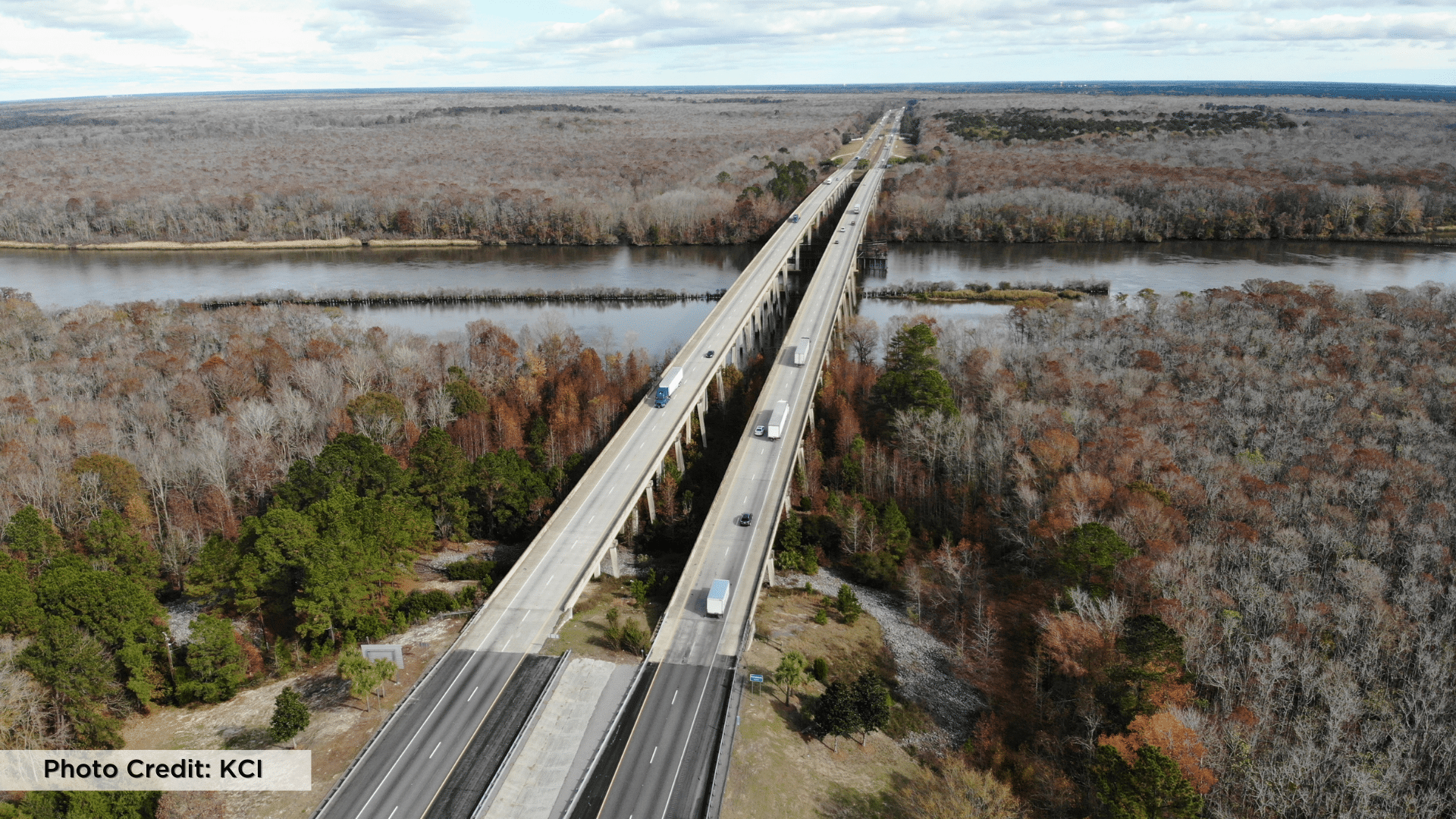
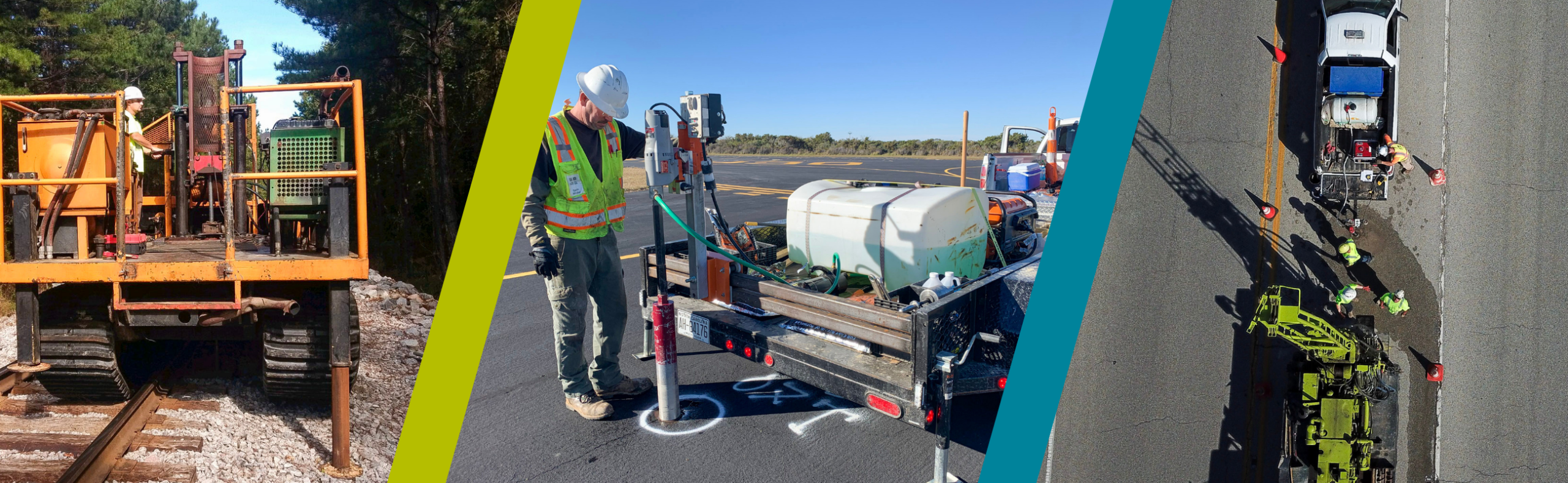
Geotechnical engineers use underground drilling data from soil strength to settlement potential to guide transportation improvements such as:
- Roadway widening and expansion
- Railroad track improvements
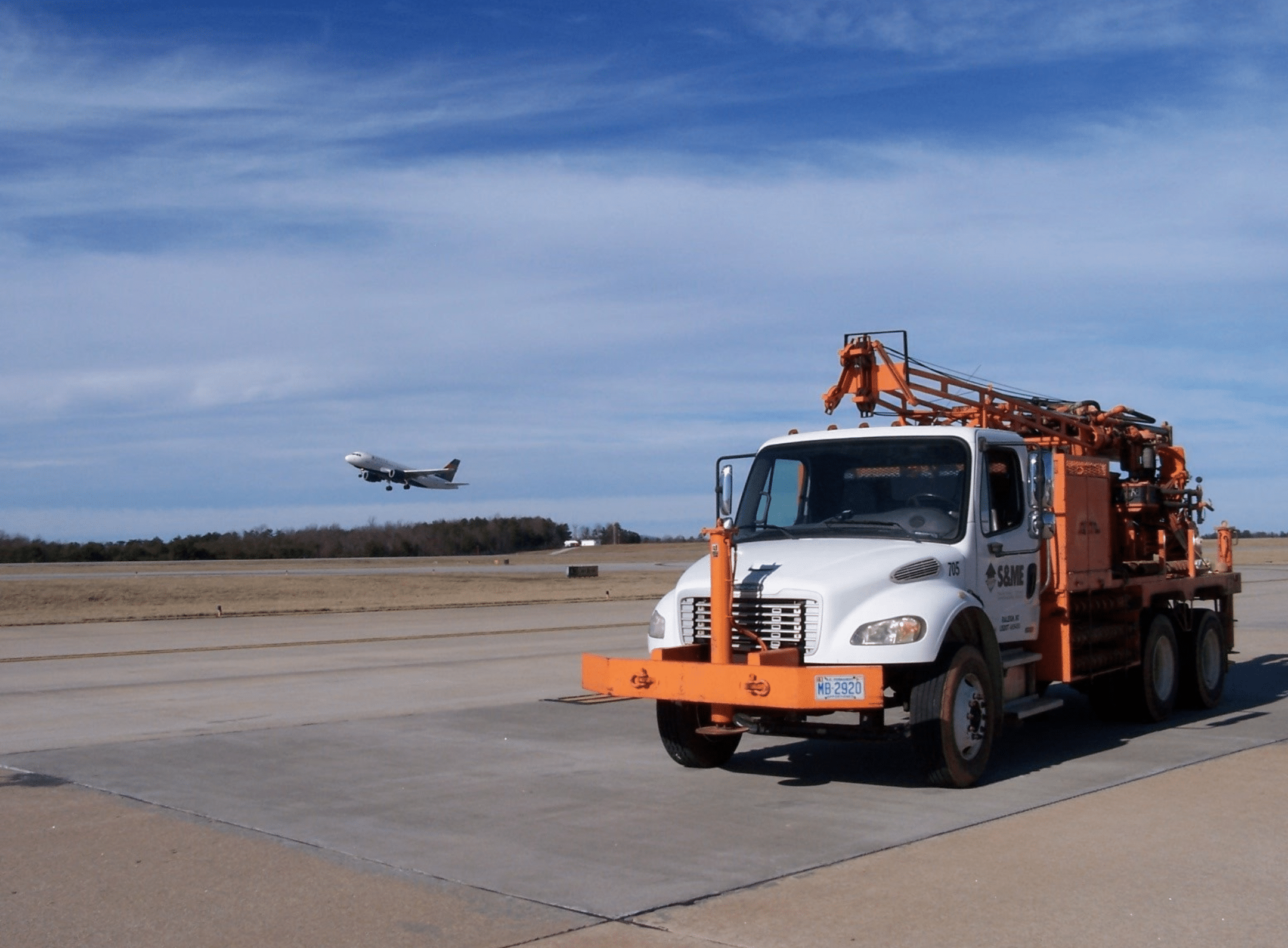
- Airport runway repair
- Bridge rehabilitation
Rough terrain in these settings means working along active corridors, uneven grades, or previously developed areas where subsurface conditions can change quickly. When access is limited and maneuvering is tough, S&ME’s specialized drill rigs and experienced crews make precise site characterization possible.
Submit your difficult access project
Soil Testing for Utility and Energy Infrastructure
Whether you need guidance on foundation engineering or trenching techniques, S&ME performs geotechnical drilling for utility and energy infrastructure projects. For example:
- Electric transmission and distribution line projects
- Pipeline or utility corridor installations
- Substation developments
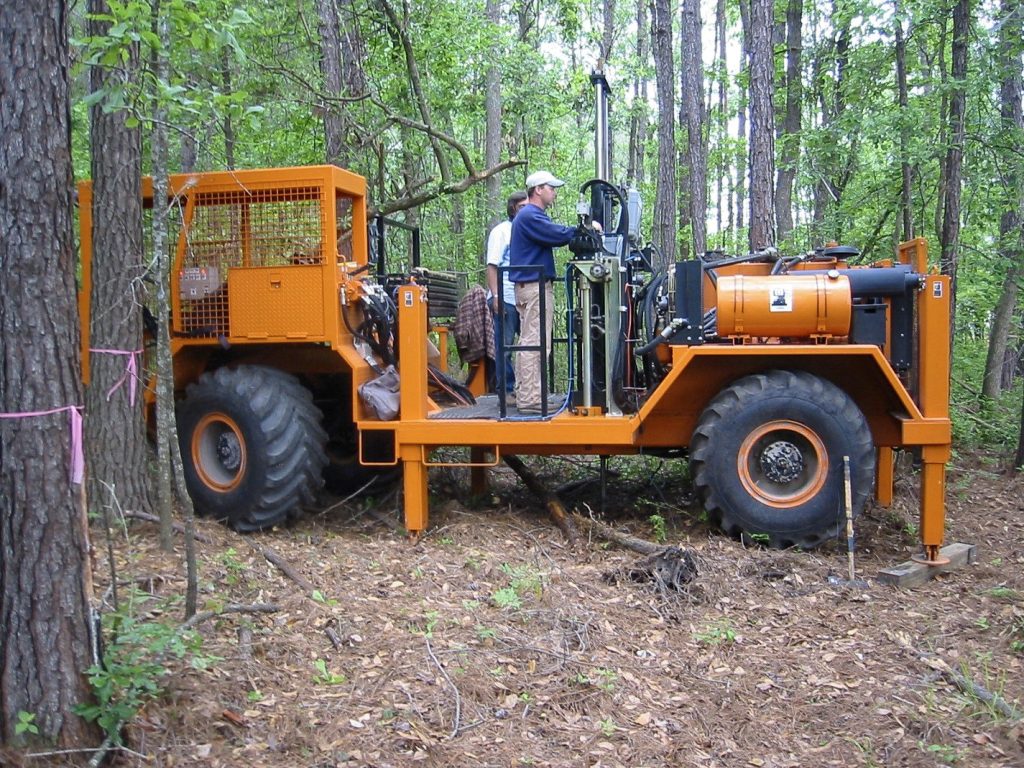
In some cases, these projects sites are located on remote land without established roads like wooded easements or embankments.
Steep Slope and Hillside Drilling
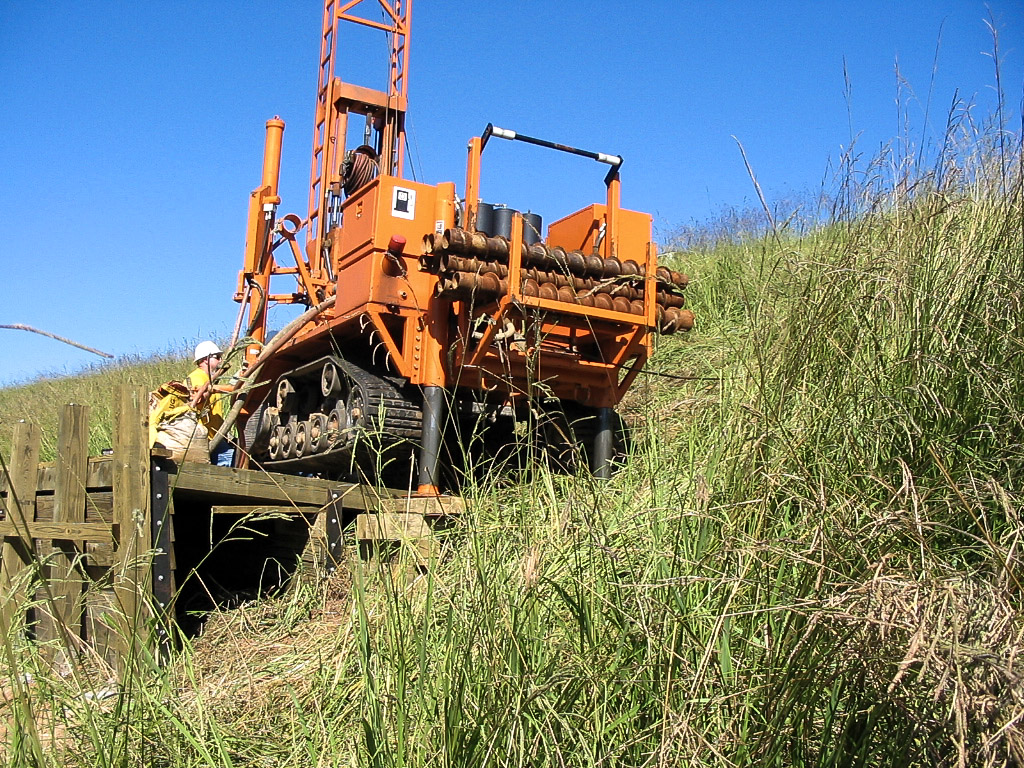
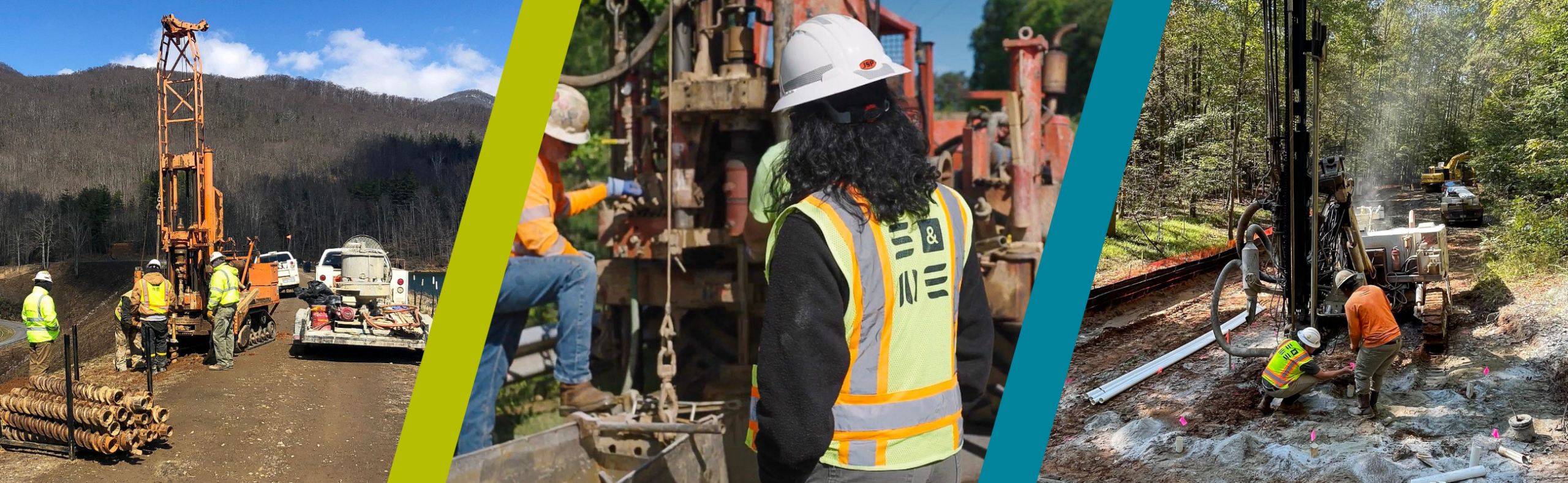
A track-mounted drill rig, paired with platform drilling techniques, reduces impact on slope grading. This approach limits erosion and mitigates the risk of equipment movement during geotechnical testing.
Mobile Drill Rig in Deep Woods
Our forestry equipment clears access for drilling while minimizing habitat disturbance. All terrain carriers navigate steep, rocky, and wooded areas within environmental boundaries.
Geotechnical Drilling Concrete Dam Repair
S&ME uses low-clearance drill rigs designed to operate within strict width, load, and surface protection constraints. This equipment allows drilling on critical hydraulic infrastructure without compromising structural integrity. S&ME project include:
- Dam crests with load and width restrictions
- Levee tops requiring surface protection
- Narrow access corridors on critical water resources infrastructure
Identify weak zones, assess seepage pathways, and support rehab planning with geotechnical drilling. S&ME’s drill rig fleet is equipped for overwater drilling when land-based access is limited.
Commercial or Industrial Underground Drilling
Avoid costly delays, redesigns, or unexpected field fixes while project planning for commercial development and industrial facilities. Geotechnical drilling supports:
- Warehouse or distribution center expansions
- Manufacturing facility additions or equipment installations
- Industrial plant repairs or slab settlement investigations
- Redevelopment of existing commercial sites
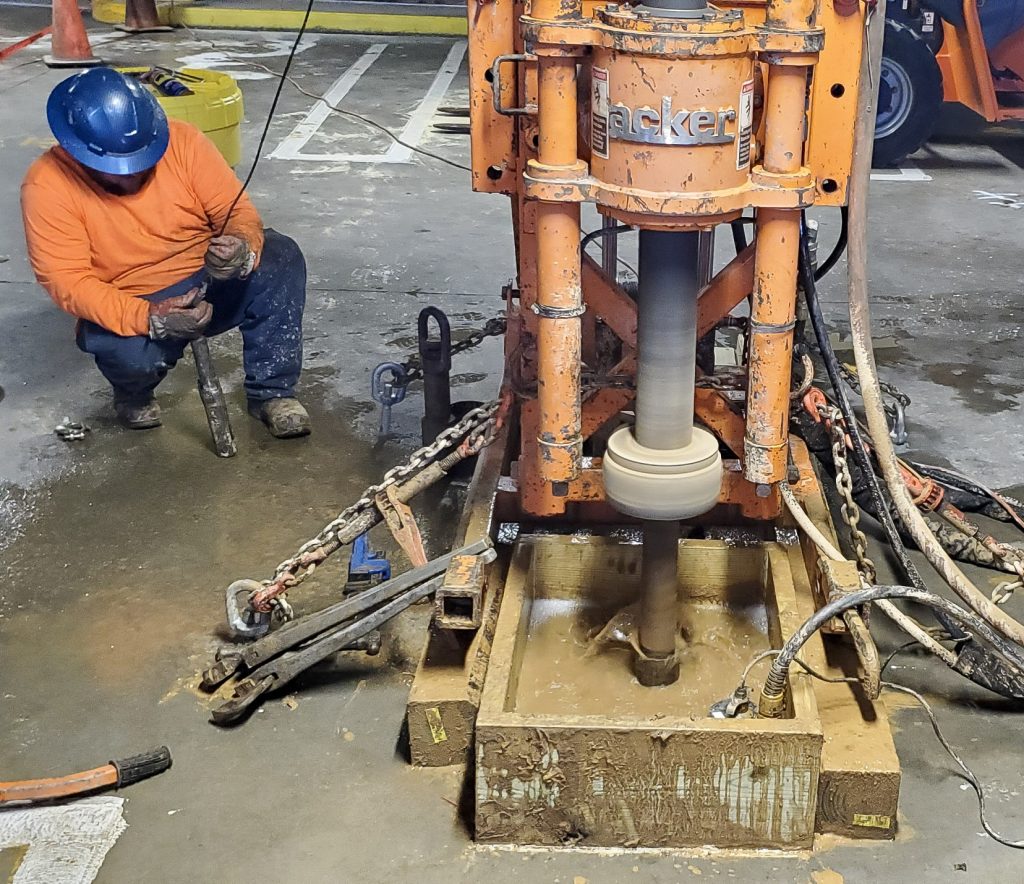
Get the subsurface data needed for geotechnical engineering, even with space limitations.
When work occurs inside an active facility or existing structure like a parking deck or warehouse floor, S&ME uses deep core drill or CPT push frame. Move through hallways, elevators, stairwells, and other tight indoor spaces. The power units remain outside to keep emissions and noise away from crews, the facility, and occupants.
In Situ Testing
In situ testing is one of the most reliable ways to evaluate soil properties and subsurface conditions. Our team uses geotechnical drilling methods, gathering samples for construction materials, rock, and soil testing.
- Standard Penetration Testing (SPT) with energy calibration: Measure soil resistance to estimate strength, density, and foundation support conditions.
- Cone Penetration Testing (CPT): Profile subsurface layers to quickly assess soil behavior including soil resistance, sleeve friction, and sometimes pore pressure.
- Seismic Cone Penetration Testing (SCPT): Evaluate soil stiffness to support seismic site response and dynamic analysis.
- Dilatometer Testing (DMT): Assess soil stiffness and stress history to inform settlement and lateral earth pressure design.
- Field Vane Shear Testing (FVST): Determine undrained shear strength to evaluate soft cohesive soils.
- Pressuremeter Testing (PMT): Characterize in-place soil deformation to support foundation engineering and earth retention design.
S&ME operates one of the largest cone penetration testing fleets on the east coast.
Environmental Drilling Services
Support remediation, redevelopment, and long-term monitoring by defining subsurface conditions and informing cleanup strategies.
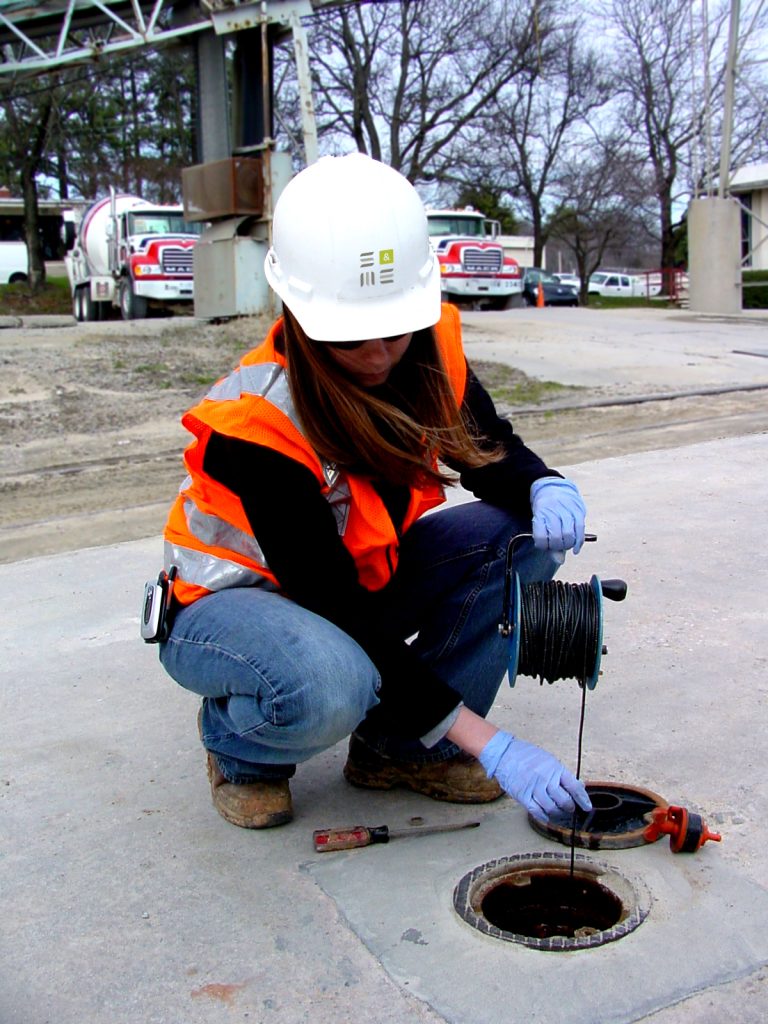
- Groundwater Monitoring Well Installations: Install monitoring wells to track groundwater levels and collect representative samples over time.
- Direct Push Soil, Groundwater and Vapor Sampling: Collect environmental samples quickly with minimal site disturbance.
- Well Development and Abandonment: Improve well performance or properly close wells to meet project and regulatory requirements.
- Aquifer Pump Tests: Evaluate groundwater flow and aquifer response to support investigation and remediation planning.
- Nested Wells, Well Clusters and Multipoint Sampling Systems: Assess conditions at multiple depths to better understand vertical groundwater and contaminant movement.
Need a Geotechnical Report for Drilling Services?
A geotechnical report for drilling includes subsurface data, testing results, and engineering analysis used to guide construction planning.
From roadway slope repair to concrete dam rehabilitation, get a geotech report that translates soil, rock, and groundwater conditions into informed engineering design.
Talk With Our Geotechnical Drilling Team
FAQs about Geotechnical Drilling and Site Investigation
+ What is the difference between CPT and SPT?
Both are in situ testing methods for geotechnical drilling. Cone Penetration Testing (CPT) and Standard Penetration Testing (SPT) are both used to evaluate subsurface conditions, but gather data in different ways. CPT pushes an instrumented cone into the ground to collect continuous measurements of soil resistance, sleeve friction, and sometimes pore pressure. SPT is performed in a borehole by driving a sampler into the soil, providing an index of soil density or consistency.
CPT provides faster, more continuous data. It’s a preferred choice when evaluating soil behavior in fine-grained or variable deposits. SPT is often preferred when soil samples are needed for laboratory testing or when working in coarse soils and gravel.
+ How deep is soil testing for foundation design?
Borings should extend deep enough to evaluate the soils that will influence foundation performance, including bearing capacity, settlement, groundwater, and any weak or variable layers below the planned foundation depth.
+ How many soil borings are needed for a construction project?
The number of soil borings needed for a construction project varies based on site size, project type, structural layout, and subsurface complexity.
A larger site or one with variable ground conditions typically requires more borings to accurately define subsurface conditions. For instance, Scout Motors, a 1,600-acre site, required 375 borings, reaching depths of up to 100 feet.
+ What does a geotechnical investigation include for new development?
A geotechnical site investigation for new development includes soil borings, rock coring, sampling, and in-situ testing to evaluate subsurface conditions. It may also include groundwater observations and laboratory testing to define soil strength, bearing capacity, settlement potential, and other factors that influence engineering design.
Clients can pair geotechnical engineering with underground drilling to streamline site characterization and move from data collection to design guidance with one team.
+ What is horizontal drilling, vertical drilling, and directional drilling?
Horizontal, vertical, and directional drilling describe the path a borehole follows to collect subsurface data or reach investigation points where access, depth, or site constraints shape the geotechnical drilling approach.
- Horizontal drilling: Advances a borehole sideways or nearly parallel to the ground surface, often used for utility crossings, environmental sampling, or subsurface investigation where surface disturbance needs to be limited.
- Vertical drilling: Extends straight down from the ground surface to evaluate soil, rock, and groundwater conditions at depth for foundations, slopes, dams, pavements, and other engineering design needs.
- Directional drilling: Uses controlled steering to advance at an angle or along a planned path, helping crews reach targeted subsurface zones beneath obstacles, steep slopes, structures, or restricted-access areas.