Earthquake Engineering
Seismic performance is an important design consideration in many regions, and S&ME has skilled geotechnical engineers with expertise that can meet the demands of projects in seismic areas.
What’s included:
- Seismic site classification (per building codes)
- Seismic site response analysis (linear and nonlinear)
- Liquefaction triggering and consequences evaluation
- Seismic stability assessment
When it’s needed:
- Projects in seismic regions
- Sites with liquefaction risk or complex soil conditions
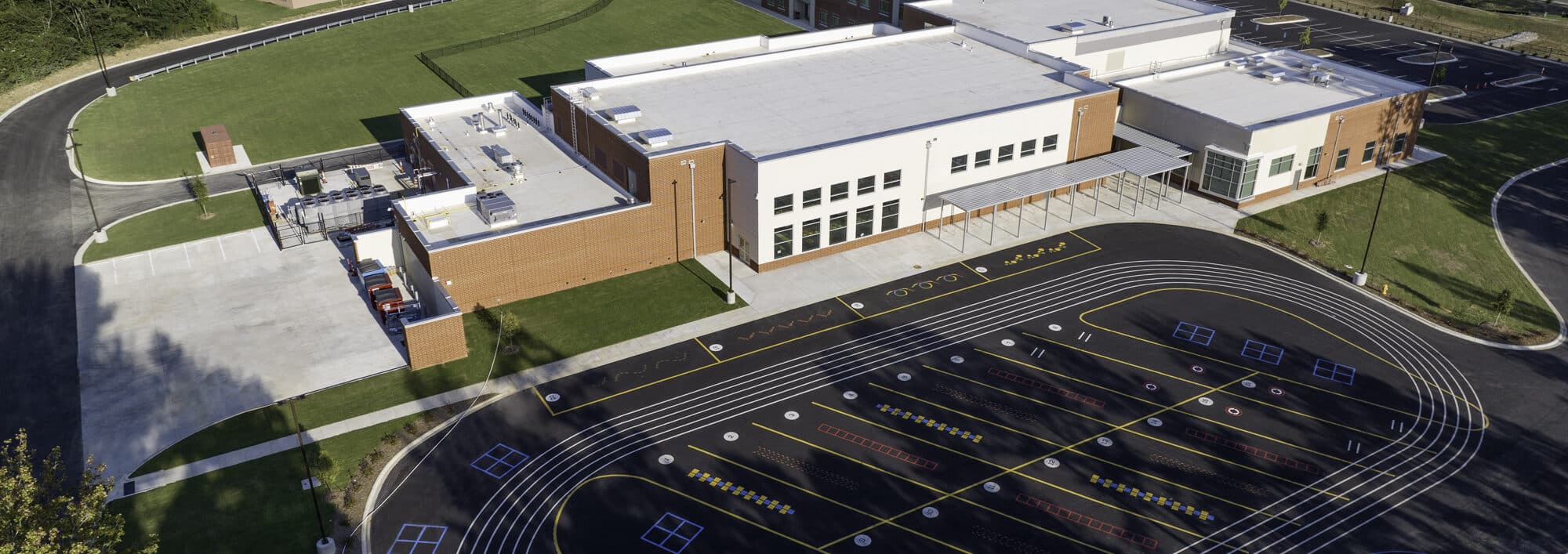
- Infrastructure requiring code-compliant seismic design
We routinely provide seismic site classification services in accordance with building codes and frequently use geophysical shear wave velocity test methods for more reliable site classification. When needed, we can perform equivalent linear and nonlinear seismic site response analyses to develop ground surface motions.
Liquefaction Risk
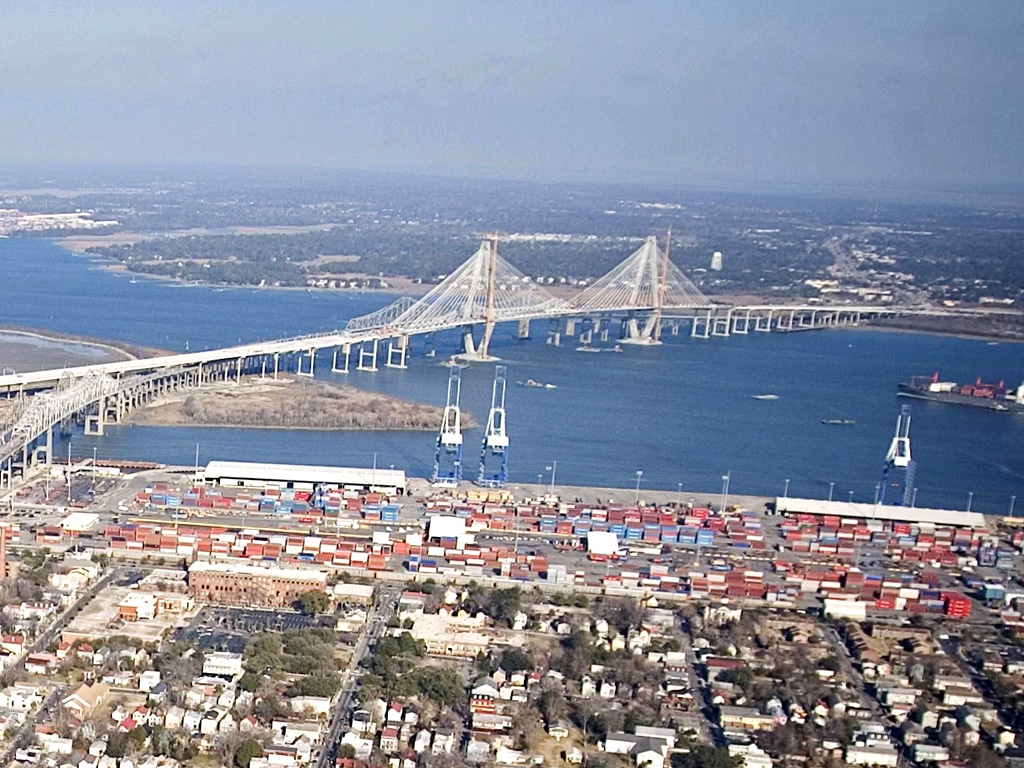
One of the most critical seismic concerns in coastal environments is soil liquefaction, a condition where saturated soils temporarily lose strength during earthquake shaking.
Our engineers not only implement the most current analyses with respect to liquefaction triggering and consequences evaluations, we are involved with research that continues to develop these methods.
Seismic Hazard Assessment
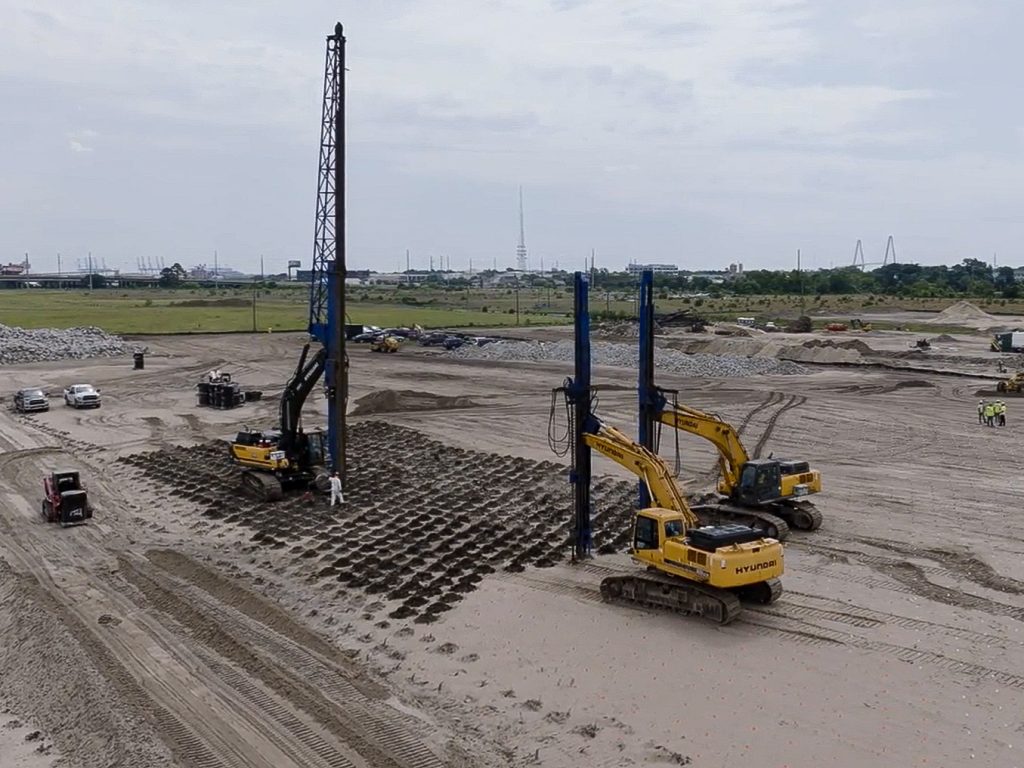
Evaluate how site conditions may respond under seismic loading. Geologic hazard assessments guide design decisions for buildings, pavements, and buried infrastructure by:
- Reviewing soil profiles that may increase ground shaking intensity
- Identifying liquefaction susceptibility and potential ground deformation
- Assessing loose sands, soft clays, and variable soils that may affect foundation performance
S&ME’s Earthquake Engineering Approach
S&ME applies deep regional experience and geotechnical expertise to help clients understand and manage seismic risk, particularly in complex coastal and southeastern environments.
Our approach emphasizes:
- Site‑specific seismic hazard and soil evaluations
- Integration of subsurface conditions into foundation and earthwork design
- Practical recommendations that balance safety, constructability, and cost
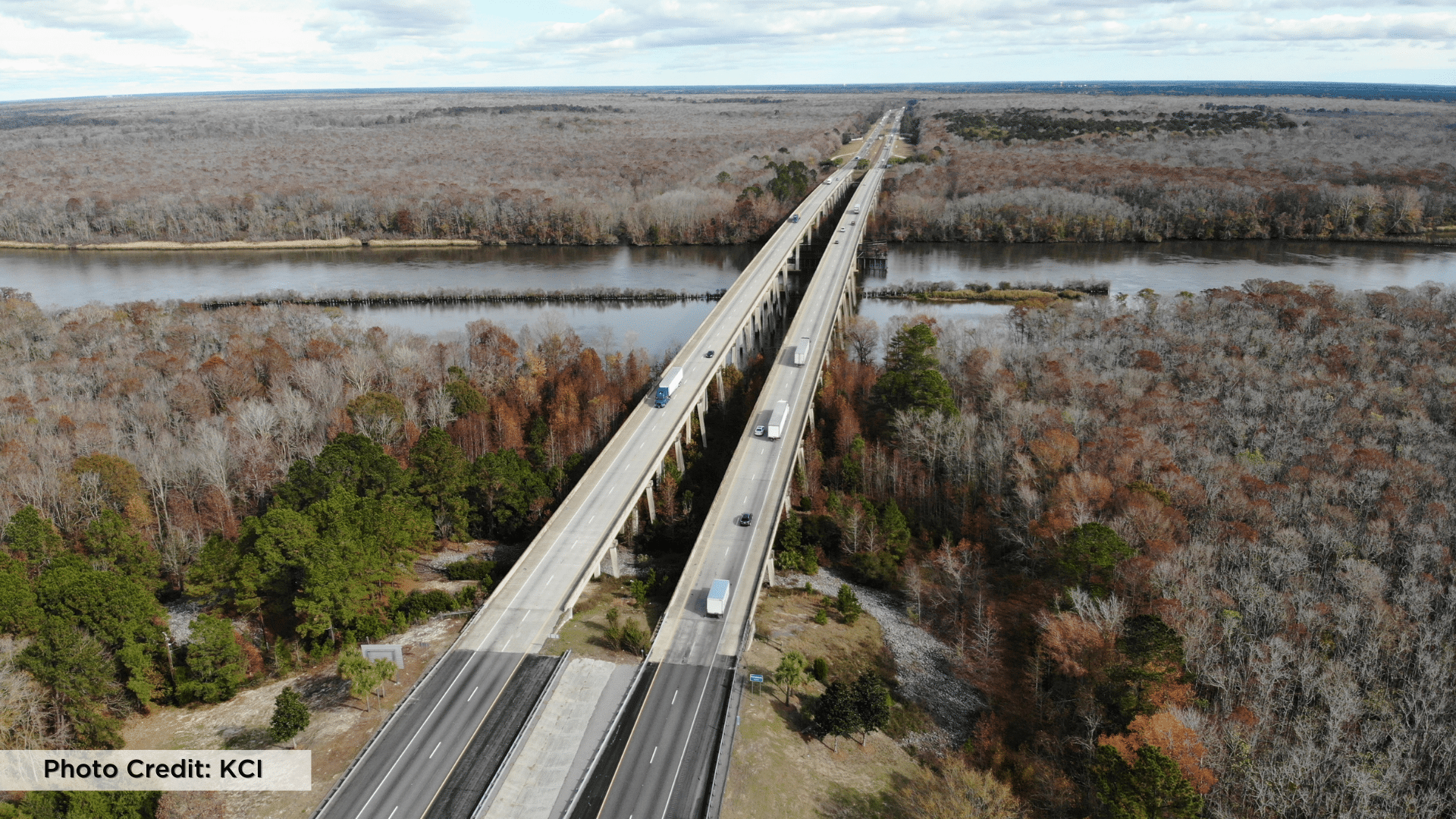
- Support for transportation, infrastructure, and coastal development projects
Grounded in Regional Expertise
Drawing on decades of work across our footprint, S&ME shares region‑specific insights into seismic hazards, subsurface conditions, and why local knowledge matters when evaluating site response and designing resilient infrastructure.
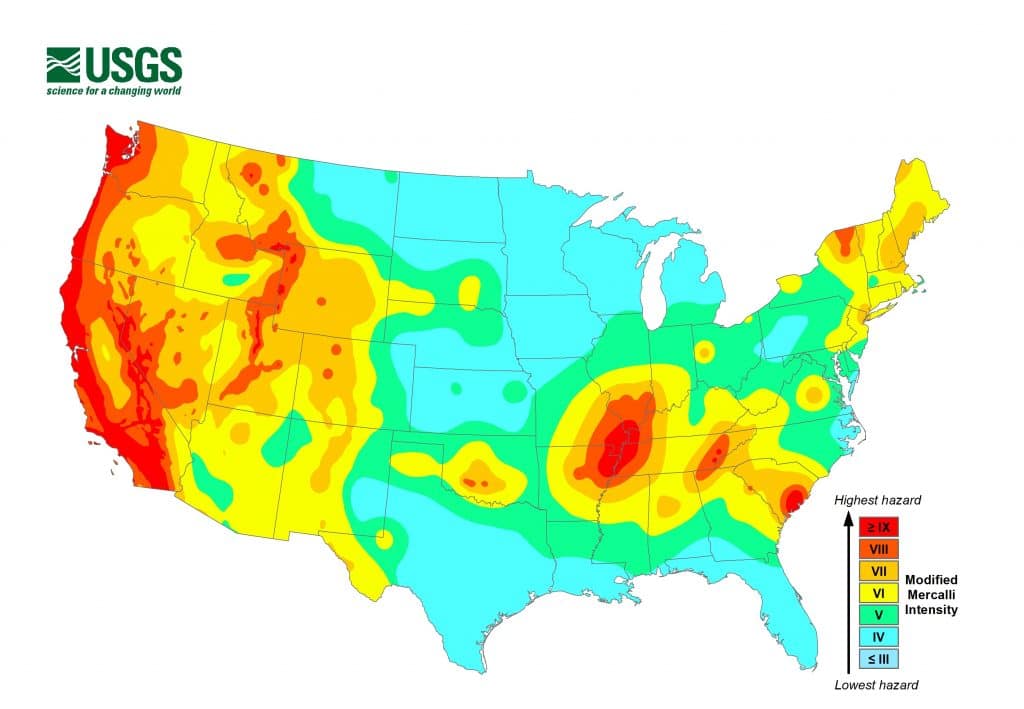
Designing for Seismic Resilience
Earthquakes occur more often than many people realize, including in the central and eastern United States, making seismic considerations an essential part of building and infrastructure design.
Effective earthquake engineering integrates geotechnical evaluation, code‑based seismic provisions, and an understanding of regional uncertainty to help structures safely withstand expected ground motions.