
April 22, 2026
If you’ve ever talked with an architect, engineer, or contractor, you may find they use a lot of letters in their lingo. This campaign is an effort to demystify some of the commonly used acronyms in the Architecture, Engineering, and Construction (AEC) industry, what they mean, and why they are important.
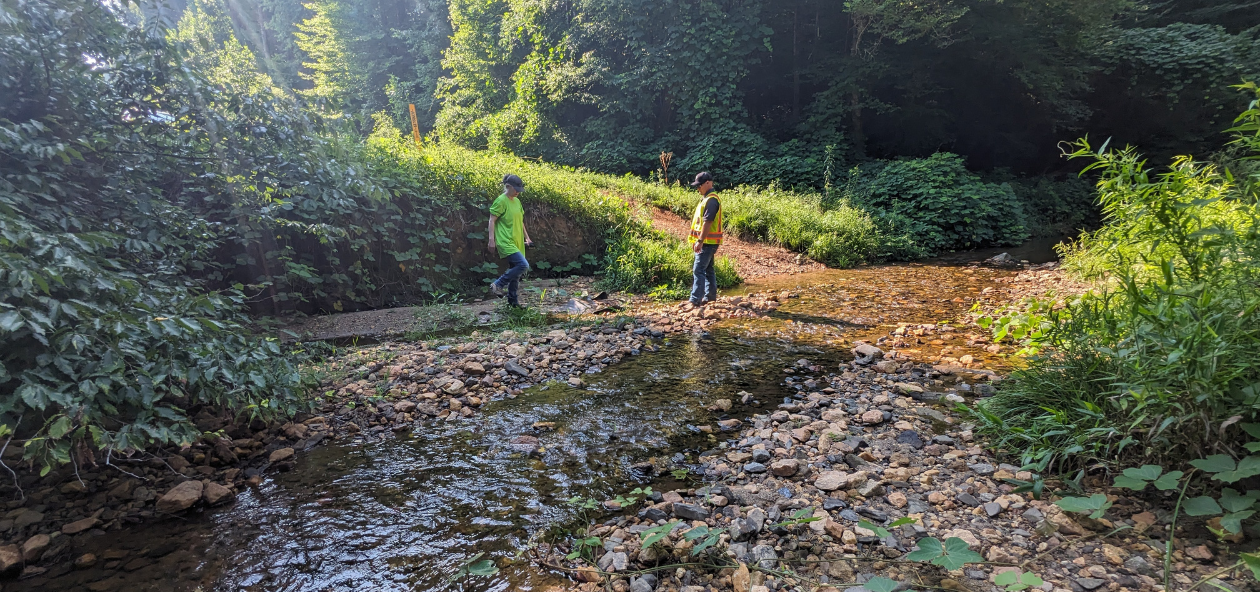
It’s 7:00 a.m. on a tight construction schedule: crews are staged, plans are set, and the project’s progress depends on what’s in the tree line and along the water’s edge. Is that channel a jurisdictional stream? Are the clearing limits cut through bat habitat? Is there a threatened and endangered species survey window you can’t miss? At S&ME, these are the real project questions our Natural Resources Professionals answer every day. In the AEC world, expertise is often signaled by a few letters: CE, or Certified Ecologist.
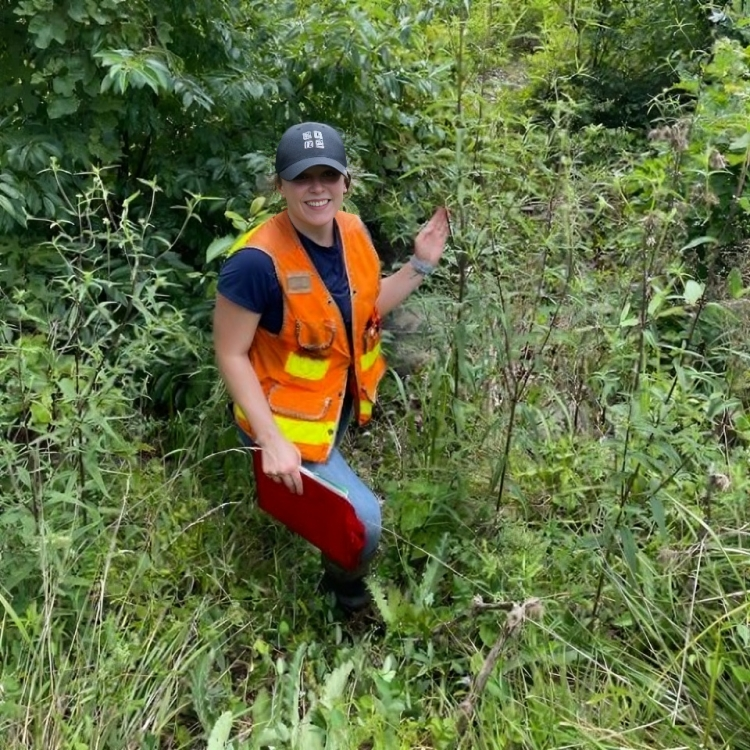
S&ME’s Rebeckah Sims, a Certified Ecologist (CE) with nine years of experience in environmental consulting, supports natural resources projects from early planning through restoration.
She shares what it takes to earn the credential and how it strengthens the decisions our clients rely on to keep projects moving while protecting critical resources.
The Ecologist Certification Application Process
Rebeckah earned her Ecologist Certification through the Ecological Society of America (ESA) after a weeklong application process. ESA’s professional certification program is designed to validate an ecologist’s education and hands-on experience. Submission deliverables included:
- Current resume
- Academic transcripts
- Two letters of recommendation
- A cover letter describing her career path, including summaries of past projects and experiences through an ecological lens
Rebeckah’s application was elevated by her extensive resume. As a Natural Resources Project Manager at S&ME, Rebeckah supports clients across the full project lifecycle, helping shape proposals, navigate permitting, and complete biological assessments that inform design and construction decisions.
Environmental Professional Development
Before adding CE to her title, Rebeckah was expanding her skill set through preliminary courses and credentials.
In her first year at S&ME, she earned her Professional Wetland Scientist (PWS) credential from the Society of Wetland Scientists. This certification demonstrates technical expertise in wetland assessments and managing wetland resources.
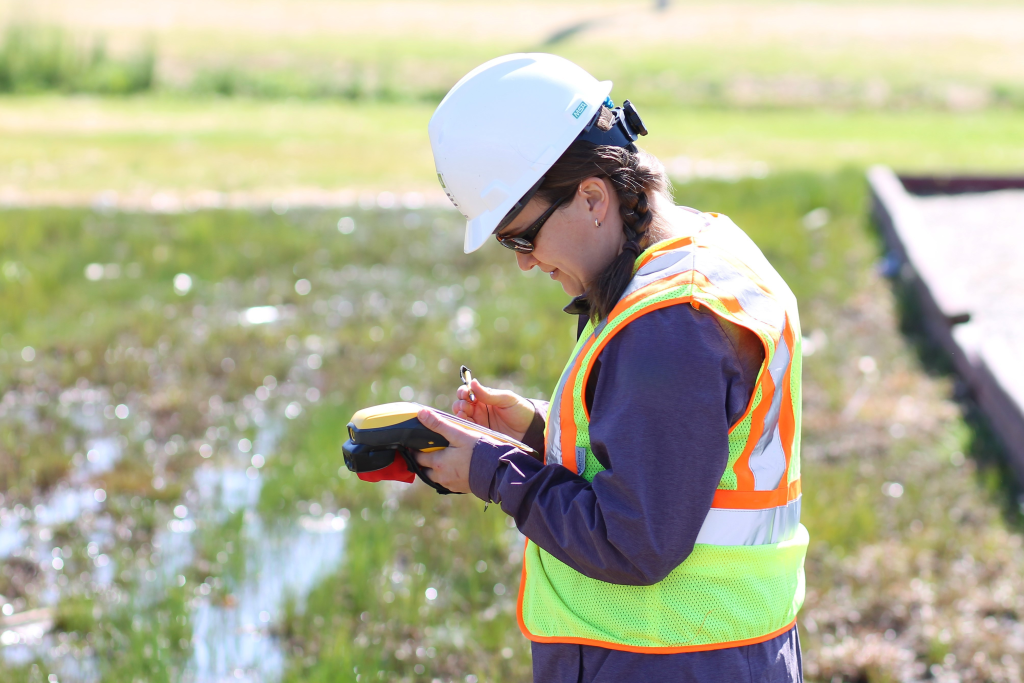
Trimble Global Positioning System used to geolocate jurisdictional boundaries and notable features during Regulated Surface Water Assessments fieldwork.
She also completed specialized professional development coursework that strengthens how she evaluates environmental features in the field:
- North Carolina Stream Assessment Method (NCSAM)
- North Carolina Wetland Assessment Method (NCWAM)
- Basic Processes in Hydric Soils Training
- Surface Water Identification Training & Certification (SWITC)
- Standard Wetland Delineation Training
“Going through the Ecologist Certification was the natural next step for me,” Rebeckah shared.
S&ME prioritizes individual growth, with incentives for professional credentials that expand capability in the AEC industry. This helps both our staff advance their careers and serve clients’ needs.
Role of Ecologist in Natural Resources Services
As a Natural Resources Project Manager at S&ME, Rebeckah oversees projects across a wide range of sectors, including energy, transportation, and diversified markets.
“Natural Resources is an S&ME environmental service that touches just about every project that we do in the Carolinas. We provide the first line in project planning,” says Rebeckah.
While her experience spans several markets, her primary focus is energy, where she supports pipeline and other linear utility projects, as well as solar developments.
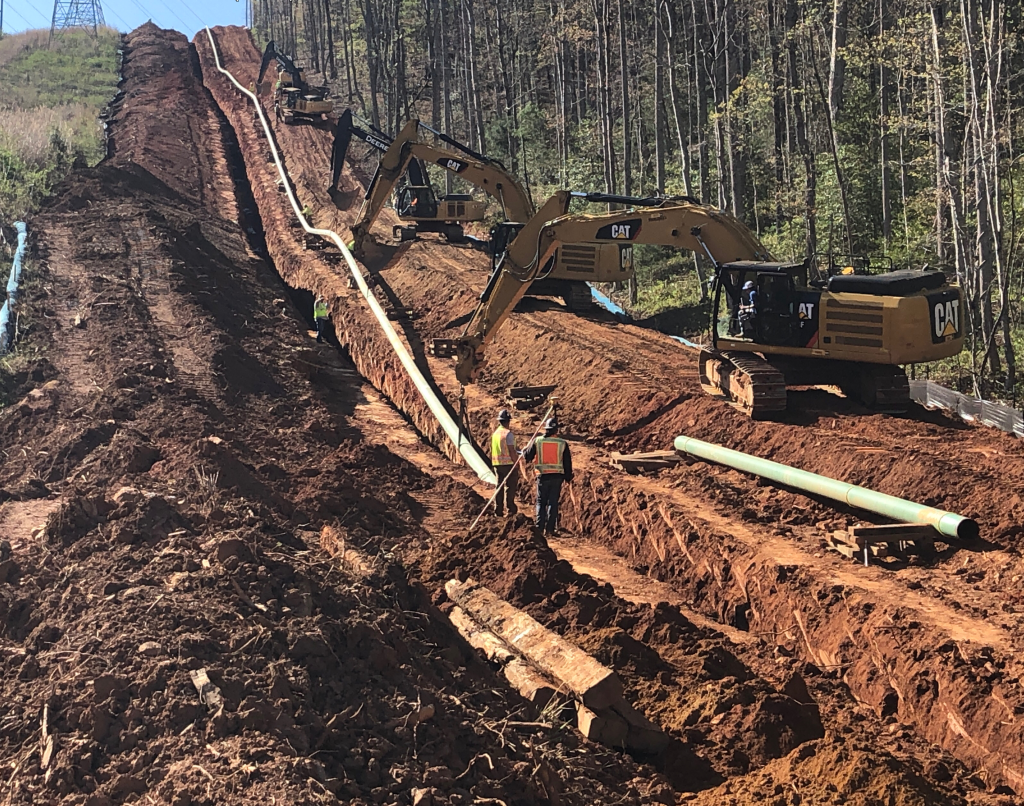
When a pipeline project begins, the Natural Resources team assesses the impacts on soil, surveys for protected species, and delineates jurisdictional boundaries to mitigate potential risks.
Leveraging her Ecologist Certification, Rebeckah evaluates critical resources and environmental features within each project area.
S&ME’s Natural Resources Services include:
- Stream, wetland, and open-water delineations utilizing U.S. Army Corps of Engineers (USACE) and state methodologies
- Threatened and endangered species and habitat surveying
- Geographic Information System (GIS) mapping, data management, and GPS data collection
- Section 404//10/401 permitting and Riparian Buffer permitting
- Biological assessments, report writing, and project management
Rebeckah explains, “We bring all of the information gathered in the field back to our project partners, to inform a plan that avoids or minimizes impact as much as possible.”
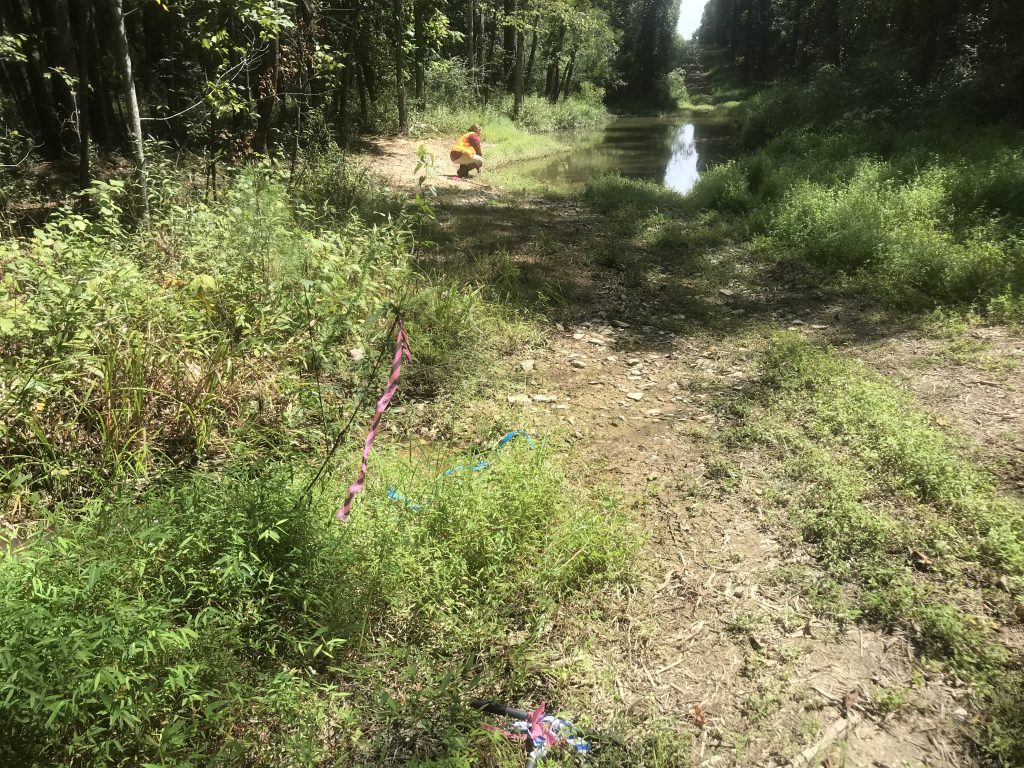
Jurisdictional delineations determine and map the precise boundaries of features within the project site, which aids environmental regulatory compliance.
The Approach of a Certified Ecologist
Rebeckah relies on the Least Environmentally Damaging Practicable Alternative (LEDPA), a framework mandated by the USACE under the Clean Water Act.
It’s a mindset that pushes environmental teams to avoid and minimize impacts. One that meets project goals with the least harm to natural resources.
“LEDPA helps us strike the balance between protecting environmental resources while still supporting the design needs of our clients,” says Rebeckah.
Fieldwork of a Certified Ecologist
Whether it’s maintaining infrastructure or new construction, Rebeckah’s role as a Certified Ecologist is to get eyes on the site early. She confirms what habitat is present, what survey windows apply, and what documentation is needed so timelines can be planned accurately.
Bat Survey
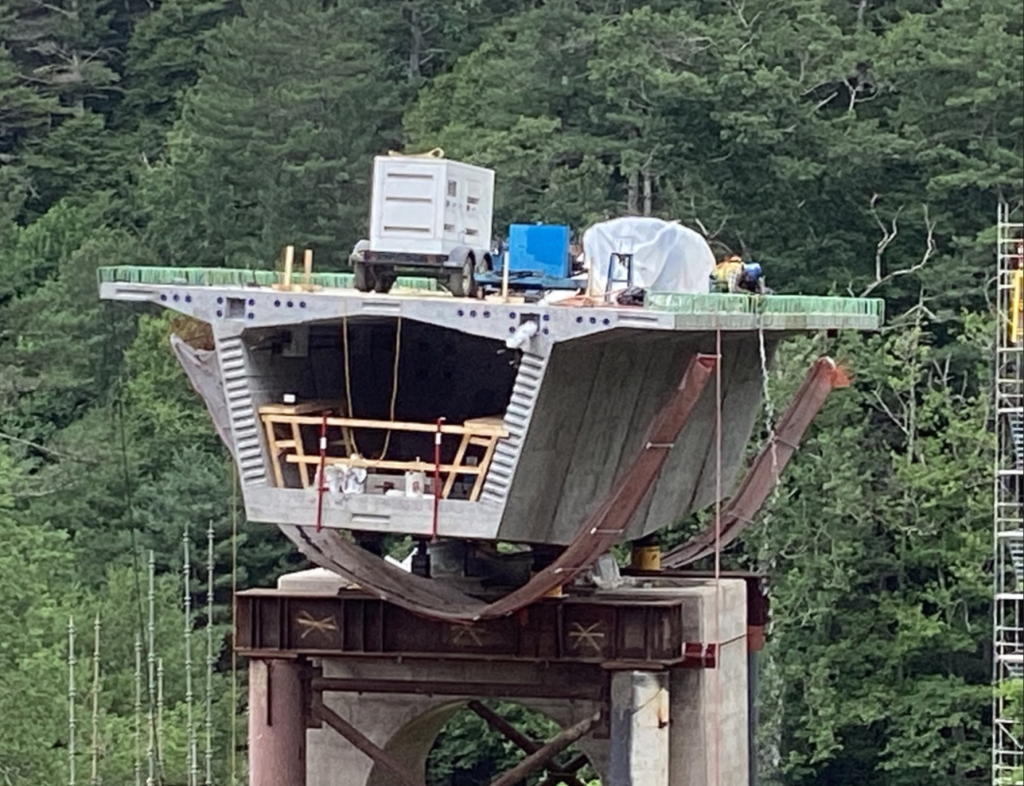
One common service in Rebeckah’s field rotation is bat surveying. Her natural resources team screens for potential roosting and foraging habitat ahead of tree clearing, bridge work, or other maintenance activities.
On a bridge replacement along the Blue Ridge Parkway in Ashe County, S&ME supported the project with bat flushing surveys prior to demolition. The results allowed technicians to move forward with necessary tree clearing while meeting environmental requirements.
Sunflower Survey
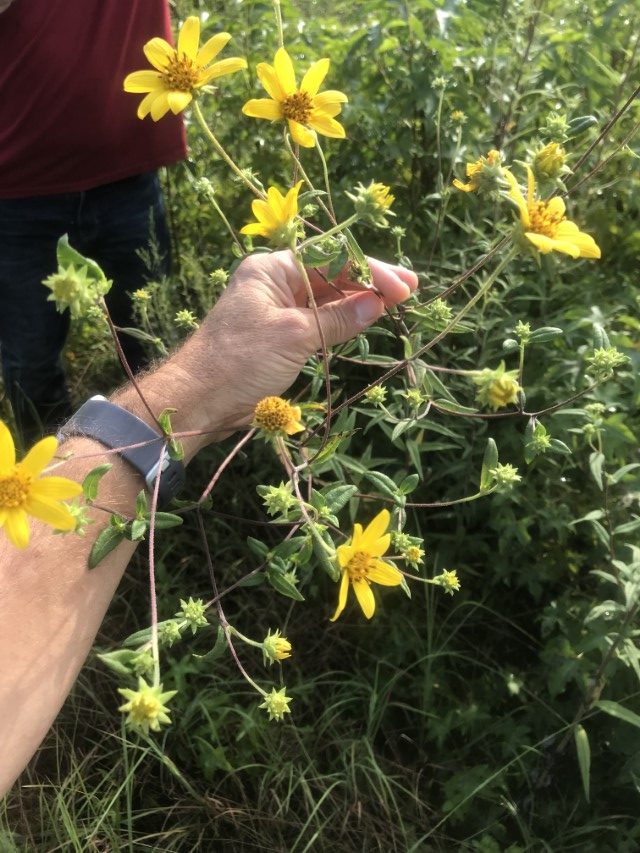
On other days, fieldwork is driven by plants instead of animals. Schweinitz’s sunflower is a federally and state-listed endangered wildflower native to the Piedmont of North and South Carolina.
Found along roadways, under powerlines, and within natural gas easements, its survey window is brief (late August through October) during the flower’s peak bloom. In that window, Rebeckah is documenting where the species is (and isn’t) so project teams can avoid impacts and keep designs compliant.
Across these projects, the approach is consistent: plan around seasonal constraints and translate observations into clear recommendations. For clients, that means fewer surprises during permitting and construction.
Value of the Ecologist Certification to S&ME Clients
Rebeckah’s Ecologist Certification enhances S&ME’s use of Best Professional Judgment (BPJ) in the field while reinforcing the trust our clients and project partners place in our expertise.
“Through BPJ, I can confidently make calls on whether a stream or wetland is jurisdictional or if habitat exists, backed by my education, experiences, professional development/trainings, and credentials,” Rebeckah shares.
In practice, that judgment translates to fast, yet thoughtful decisions when field conditions shift, especially after major storm events, so design teams can respond quickly.
Project Spotlight: Hurricane Helene Recovery
For example, S&ME is working with a natural gas company at several exposure sites resulting from damage caused by Hurricane Helene in North and South Carolina.
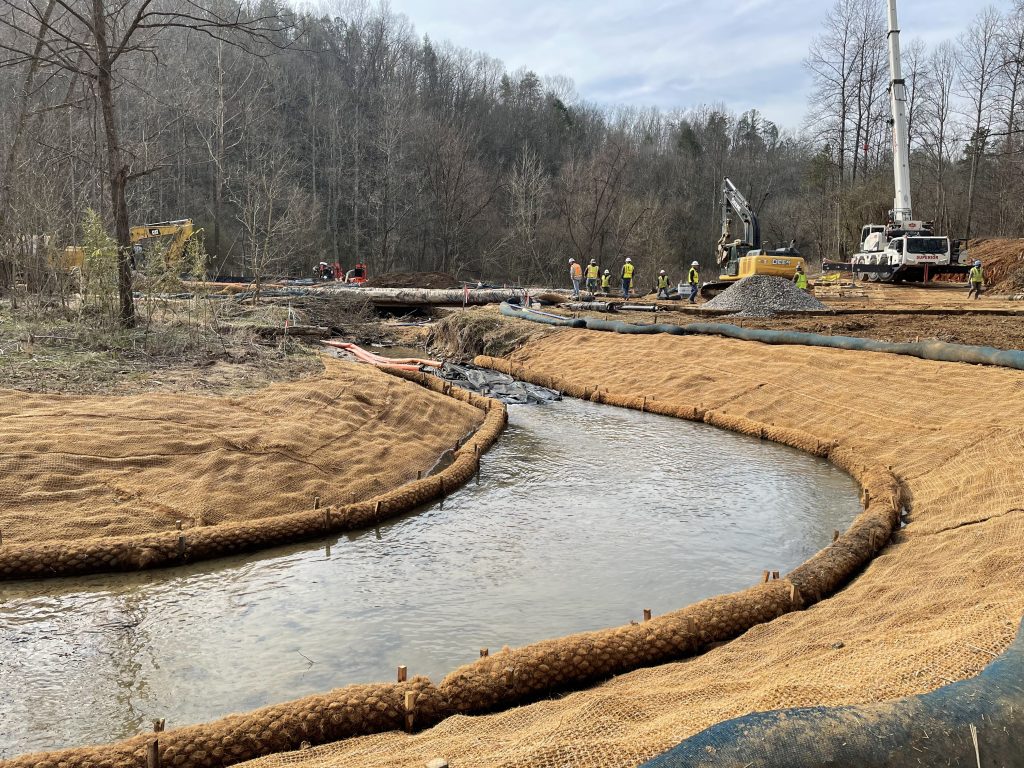
Stream restoration and bank stabilization using bioengineered, erosion-control materials.
Exposures typically occur when soil, tree roots, or bank materials are uncovered and vulnerable to erosion and water flow. Exposed pipelines within jurisdictional features require closer evaluation due to increased risk of corrosion and damage, which can impact public safety and service in the area.
Rebeckah partners with S&ME Professional Engineer, Liane Morgan, to design stream bank restoration procedures, and oversee proper environmental practices while covering the exposed pipelines.
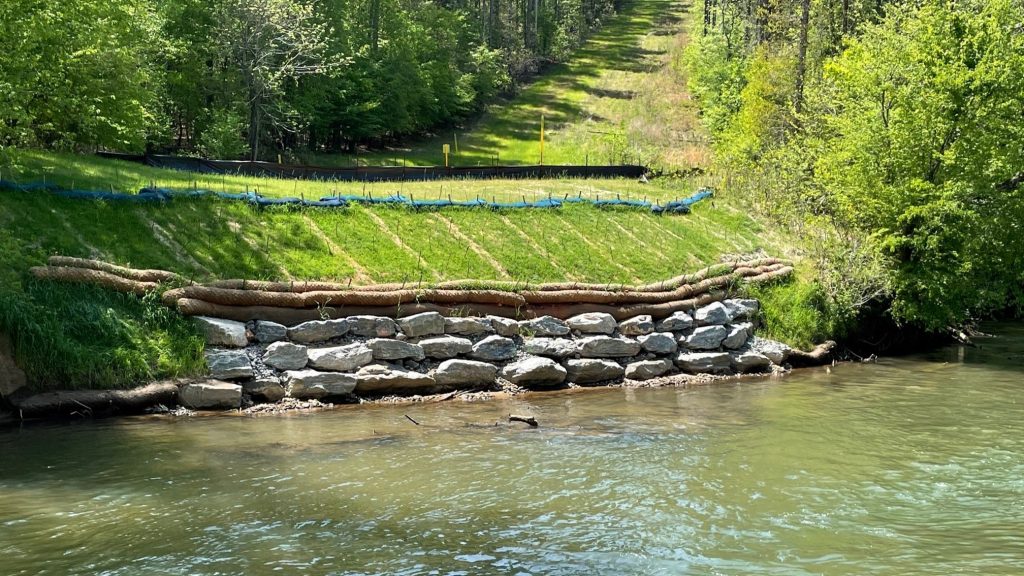
Stacked stones, coir logs, and silt fencing were installed for stabilization, erosion, and sediment control.
Rebeckah also manages obtaining the required project federal and state permits. The coordination supports restoration plans and informs the bank-stabilization methods used to protect channels during high flows.
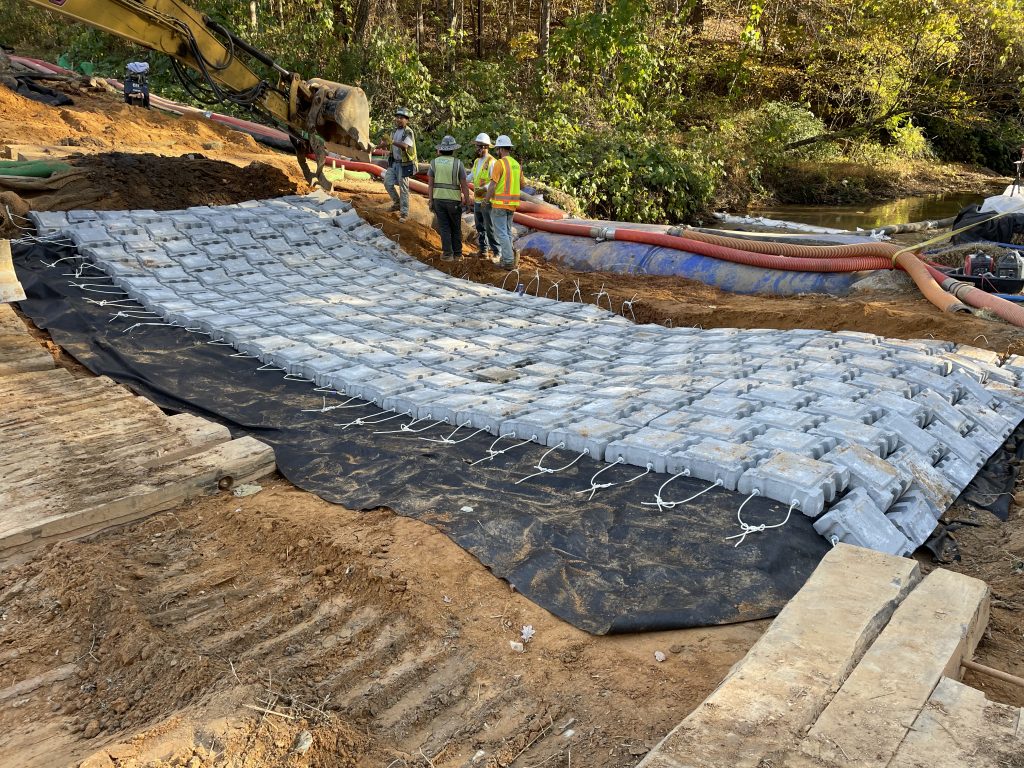
Installation of an articulated concrete block mat along the streambank to maintain channel stability during storm events.
With Rebeckah’s certified expertise guiding field calls, design coordination, and environmental permitting, the client can keep critical work moving forward.
