
May 21, 2026
Manufacturing facilities depend on consistency, such as reliable processes, predictable outcomes, and a healthy, dependable workforce. Workplace exposures, however, introduce variability. They can disrupt operations, complicate compliance, and affect employee performance.
Industrial Hygiene (IH) services for manufacturing facilities help leaders move from unknown or unrealized exposures to confident, data‑driven decisions that protect workers and support operational continuity.
How Workplace Exposures Affect Manufacturing Operations
Manufacturing leaders and Occupational and Environmental Health and Safety (OEHS) professionals commonly face exposure‑related challenges that impact both safety and productivity:
-
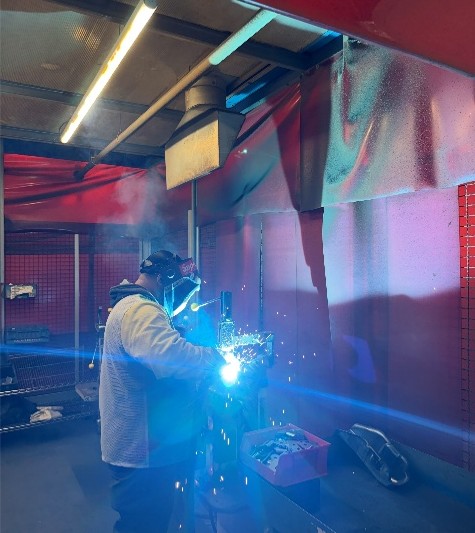
Welding fumes not being captured by LEV system Unplanned Disruption Risk: Employee complaints, near‑miss incidents, accidents, or misunderstood exposures can pull supervisors and OEHS teams off the production floor, slowing response time and delaying production decisions.
- Project Uncertainty: Without a comprehensive on‑site industrial hygiene assessment and valid exposure data, controls are often implemented based on assumptions. Guesswork solutions may fail to protect workers or address the true source of exposure.
- Workforce Health and Performance: Uncontrolled chemical, physical, biological, or ergonomic exposures can affect employee comfort, retention, health outcomes, and long‑term performance consistency.
Industrial Hygiene (IH) services help you anticipate, recognize, evaluate, and control hazards that can impact your workplace, with a focus on keeping people safe and operations steady.
Common Exposure Risks in Manufacturing Environments
From the sustained noise of stamping presses and compressors to the repetitive strain of high-speed assembly work, manufacturing environments often present a common set of exposure risks. While every facility is different, certain exposure categories most often affect manufacturing operations:
- Airborne Contaminants: Workplace exposure assessments for chemical hazards, including gases, vapors, aerosols, mists, fibers, and particulates.
- Occupational Noise: Noise monitoring and assessments to support Occupational Health and Safety Administration (OSHA) hearing conservation programs and reduce long‑term hearing loss risk.
- Stress (Heat and Cold): Monitoring indoor and outdoor tasks to determine whether heat stress or cold stress presents a risk to employees.
- Ergonomic Hazards: Evaluations for material handling, repetitive tasks, awkward postures, and job‑to‑worker fit that can affect safety and productivity.
- Specialized Industrial Hygiene Assessments: Industrial ventilation assessments, hand‑arm and whole‑body vibration studies, illumination surveys, non‑ionizing radiation assessments, and more.
S&ME Industrial Hygiene Service Line Leader, Ryan Butler, MS, CIH, CSP, shares:
“Our Industrial Hygiene assessments turn on‑site observations and exposure data into clear, actionable controls so facility leaders can understand what’s driving risk and decide what to do next with confidence.”

Learn more about S&ME’s industrial hygiene services.
The Value of Industrial Hygiene Services in Manufacturing
Industrial Hygiene services provide value through comprehensive on‑site evaluations that integrate worker behaviors, production processes, and exposure data. This approach helps identify workplace health risks and supports practical, effective controls that protect employees and reduce operational risk.
IH Protects Operational Continuity: Industrial Hygiene establishes exposure baselines before and after process or equipment changes. The service helps identify high-variability tasks and processes that create unpredictable exposures.
IH Improves Decision Making: Targeted exposure monitoring helps answer critical questions about who is exposed, to what, how much, and why, while assessment results are translated into prioritized, feasible controls aligned with the hierarchy of controls.
IH Strengthens OEHS Programs: Through exposure assessments, OSHA safety programs, training, and compliance audits, OEHS programs are strengthened. IH’s specialized services, such as ventilation testing and respirator fit testing, help evaluate and control workplace exposures.
Case Study: Industrial Hygiene Assessment for an Automotive Manufacturing Facility
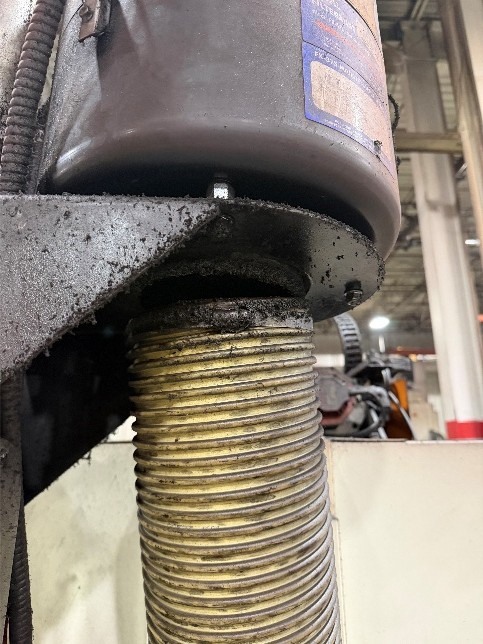
A manufacturing facility producing multiple automotive components experienced a visible haze. The haze engulfed production areas as the day progressed. Oily and dusty residues accumulated on surfaces, raising concerns about chemical exposures and worker health.
Facility leadership needed to understand:
- Employee exposure levels and associated risks
- Which equipment or processes were contributing to the issue
- What controls could be implemented without slowing production
The Challenge: Why Exposure Assessment Was Complex
Several factors made it difficult to fully understand the facility’s exposure conditions without a detailed, on-site industrial hygiene assessment.
- High variability: Exposures varied by product, production line, shift, and employee training
- Hard‑to‑measure conditions: An on‑site industrial hygiene assessment was required to observe real‑time processes, equipment, and work behaviors
- Operational constraints: Monitoring and sampling had to align with typical production schedules to collect statistically valid data
Our Industrial Hygiene Approach
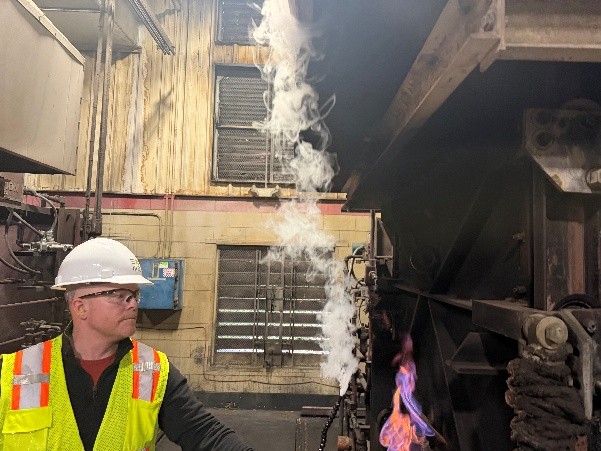
S&ME’s assessment approach focused on collecting exposure data, observing real-world conditions, and connecting findings to potential controls. Each step was designed to help facility leadership address exposures without disrupting operations.
Aligning monitoring to decisions
Working with facility leadership, the sampling plan was tailored to known hazards, potential unknown exposures, and production concerns.
Targeted exposure monitoring
The assessment focused on identifying the source of the haze, measuring employee exposure levels during normal operating conditions, and sampling similar exposure groups to generate meaningful data.
Comprehensive documentation of conditions
In addition to personal exposure sampling, the assessment evaluated:
- Production processes and equipment
- Engineering and administrative controls
- PPE selection and use
- Employee work practices
Industrial Hygiene Service Key Findings:
The assessment identified the factors driving the facility’s exposure concerns and clarified where corrective action would have the greatest impact.
-
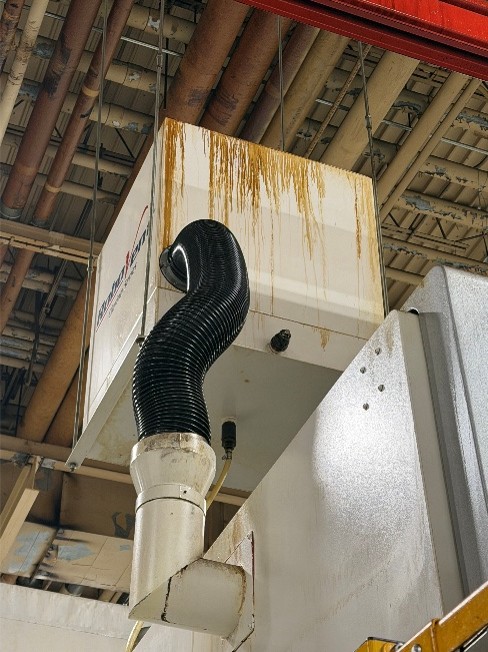
CNC Machine LEV system filter overloaded and leaking metal working fluids Inoperable or damaged local exhaust ventilation (LEV) systems
- Modified or improperly designed ventilation systems
- Insufficient employee training on LEV use
- Inadequate preventive maintenance
- PPE not suited for specific tasks or chemical exposures
- Industrial fans counteracting LEV system effectiveness
Developing a practical control roadmap
The final industrial hygiene report clearly outlined where exposures were occurring, why they were happening, and how to mitigate them using feasible engineering, administrative, and process controls along with PPE recommendations.
Results: Measurable Exposure Reduction Without Disruption
- Clear exposure insights: Leadership gained confidence in risk prioritization and control decisions
- Improved controls: The facility repaired LEV systems, updated PPE requirements, improved training, and enhanced housekeeping practices
- Reduced exposure: Employee exposure levels were reduced by more than 50% after implementing recommendations
- Operational continuity: Improvements were made without slowing production, supporting OEHS programs and compliance goals
Make Confident Industrial Hygiene Decisions
If your manufacturing facility is planning a process change, responding to exposure concerns, validating existing controls, or has never completed a comprehensive industrial hygiene assessment, S&ME’s IH services can provide defensible exposure data and a clear control roadmap without guessing.
Connect with an S&ME Industrial Hygiene Subject Matter Expert to get started.