
June 12, 2026
Construction Engineering and Inspection (CEI) sets the stage for successful transportation projects by testing materials and workmanship to ensure they meet construction standards. By confirming roadways and structures are constructed in accordance with design documents, CEI delivers projects that are built to last.
CEI services at S&ME support:
- On-site construction inspection
- Materials sampling
- Clear compliance documentation throughout active construction
“S&ME provides inspection services for all the types of construction operations that take place from project initiation to project completion and acceptance,” says CEI Service Line Leader, Doug Eller.
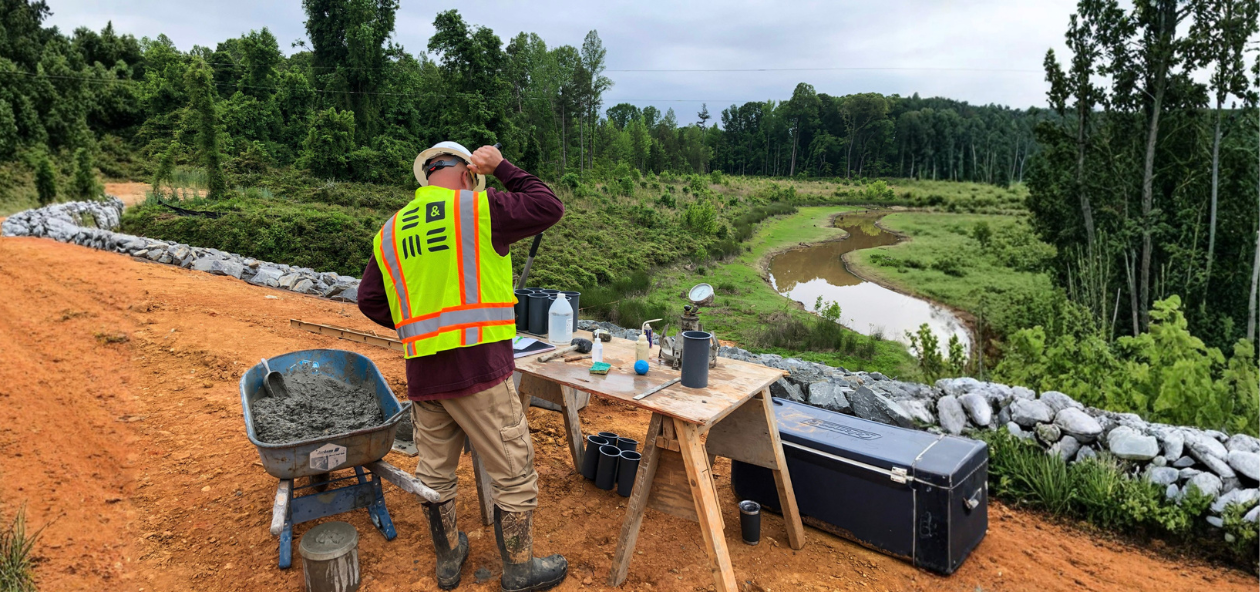
No two days look the same. One morning might start with grading and erosion control inspections. By the next, you’re boots-on-the-ground observing asphalt placement, running density tests, or supporting a structural concrete pour.
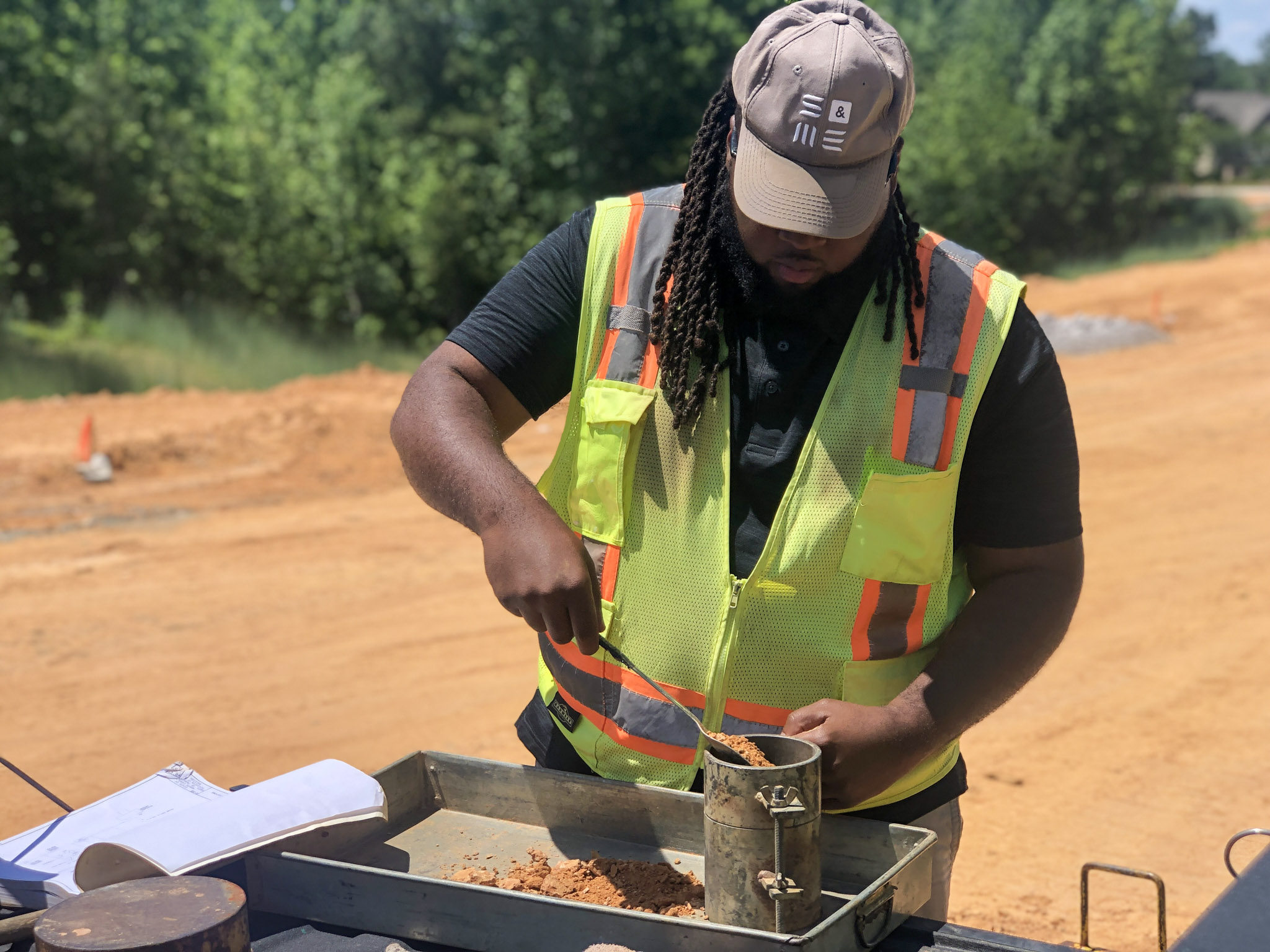
Technicians test materials like soils, concrete, and asphalt to confirm they satisfy design plans and compliance standards.
CEI: Extending Service Life and Reducing Risk
CEI documents construction quality as work progresses. It extends the service life of infrastructure and reduces the risk of premature failures, rework, and costly repairs.
While construction engineering and inspection services are applied across many AEC markets, CEI is most associated with Department of Transportation (DOT) projects, where quality control and compliance are critical.
S&ME continues to expand its team of licensed engineers and certified technicians to support both municipal and national mega transportation projects.
DOT Example Project for CEI Services
The North Carolina DOT (NCDOT) required CEI services on the widening of I-440 from four to six lanes. S&ME technicians performed:
- Erosion control oversight
- Density testing
- Soil and concrete testing
- Grading and curb inspections
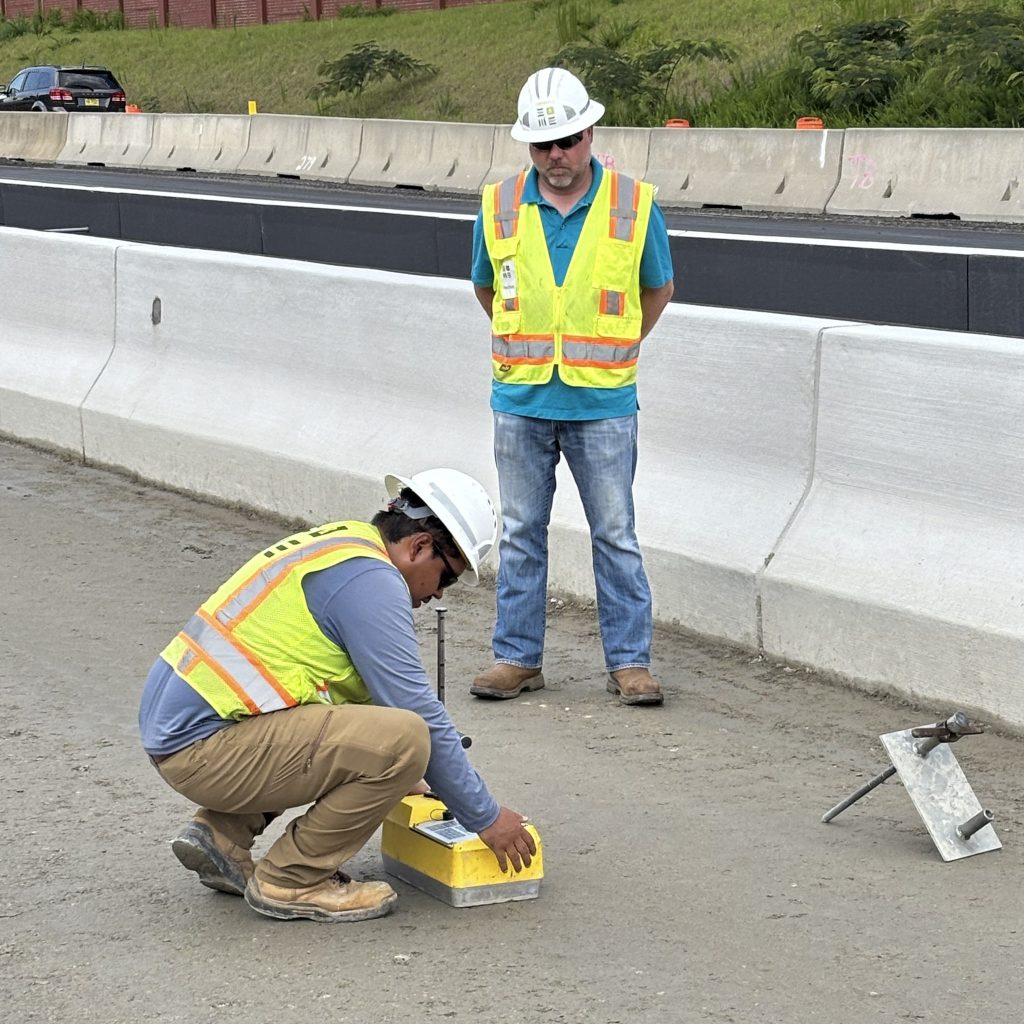
To measure the in-place density and moisture content of soil/pavement materials, S&ME technicians use a procedure called nuclear gauge testing. It documents proper compaction during construction.
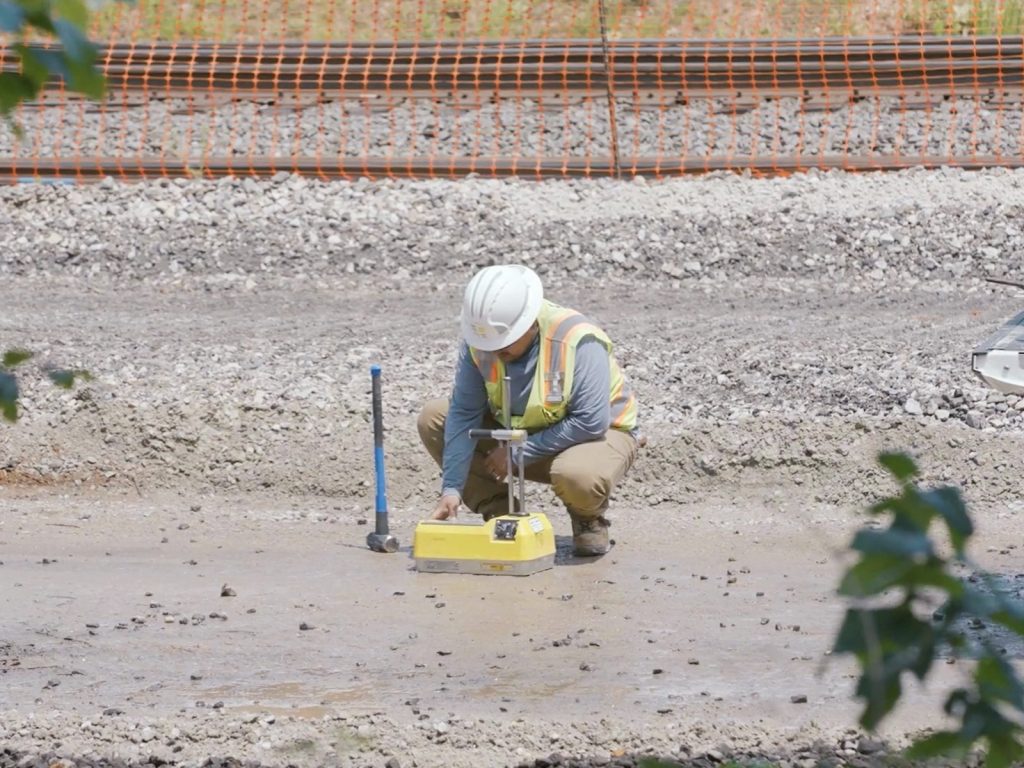
Nuclear gauge testing on ABC stone, a graded mixture of crushed stone, gravel, and fines used as a foundational base material for roads.
These services support roadway performance and longevity, even on high-trafficked interstates like I-440. Through this work, CEI technicians contribute to projects that improve how communities move every day.
Transportation Technician, Hugo Manosalvas, drives CEI services on I-440.
Transportation Structures Supported by CEI
CEI services support a wide range of transportation infrastructure:
- Roads, streets, and pavement systems
- Highways, bridges, and structural components
- Aviation facilities and airports
- Rail and light rail transit systems
- Ports, terminals, greenways, and trails
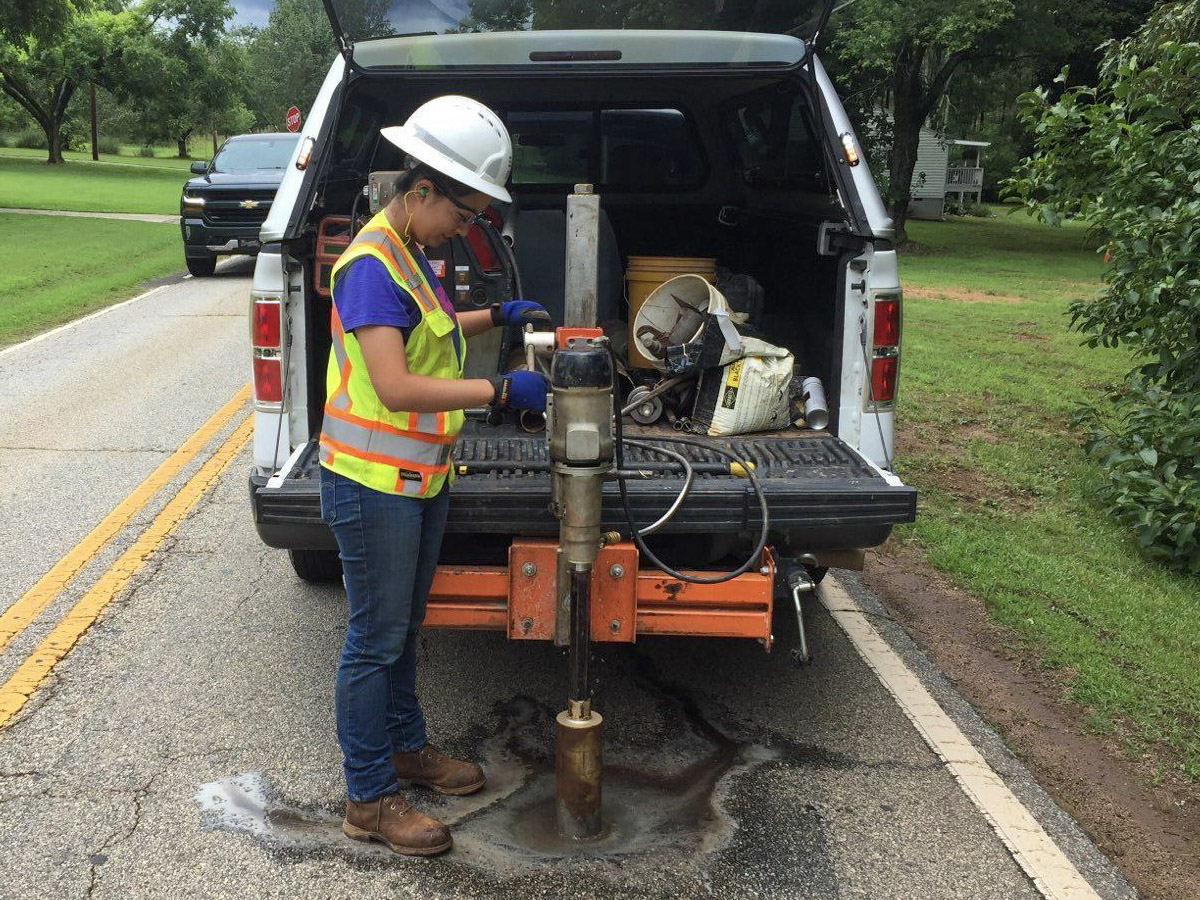
Projects vary in size from utility relocations underneath sidewalks to elaborate erosion control measures on multi-lane highways. This year, S&ME will conduct pavement evaluations on over 33,000 miles of North Carolina secondary roadways.
In addition, S&ME has supplemented CEI services for many bridges in North Carolina.
All materials used for bridge construction must meet DOT safety standards. As a result, testing is performed at defined frequencies based on each bridge element. For example, concrete is inspected to identify issues such as voids, cracking, or debonding.
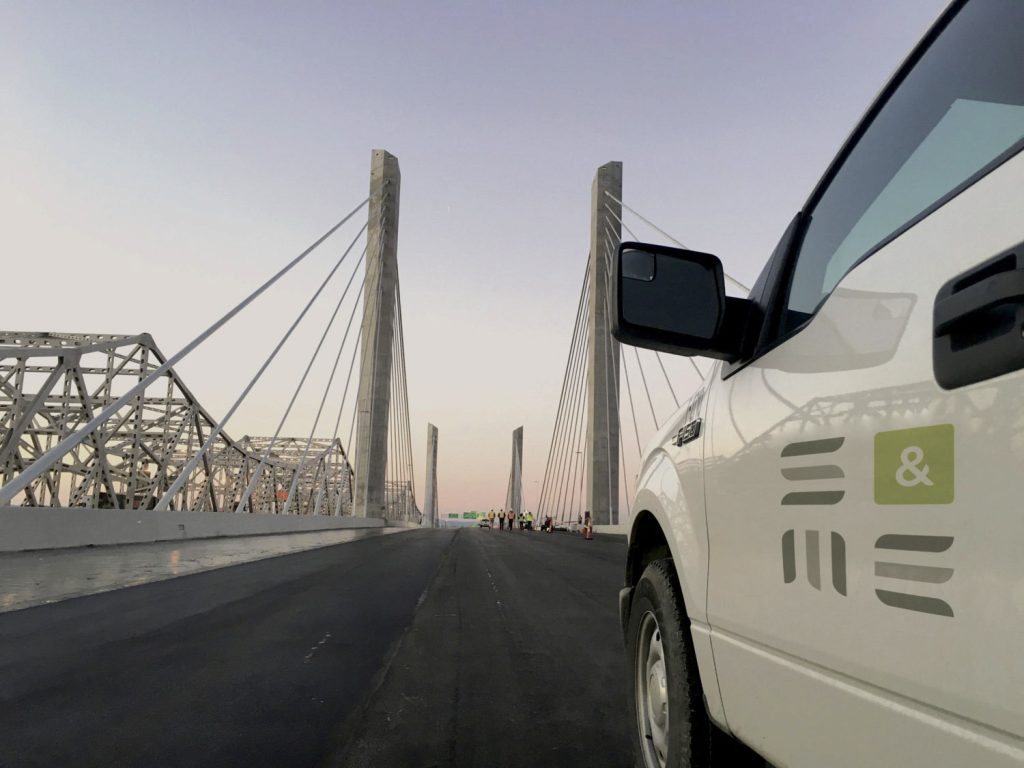
CEI services support both new construction and maintenance of existing structures.
“NCDOT is a big entity with several units and groups. And they need support handling their internal project volume. So, we have opportunities to train our technicians in many different settings,” says Doug.
By working on different structures and CEI scopes, S&ME transportation technicians develop a broad, well-rounded skill set.
Construction Issues Identified by CEI
CEI proactively addresses issues rather than identifying them after construction is complete (when repairs are more disruptive and costly). Common problems CEI prevents:
- Improper material placement
- Inadequate compaction
- Premature pavement deterioration
- Construction defects and material deficiencies
- Sediment loss and site erosion
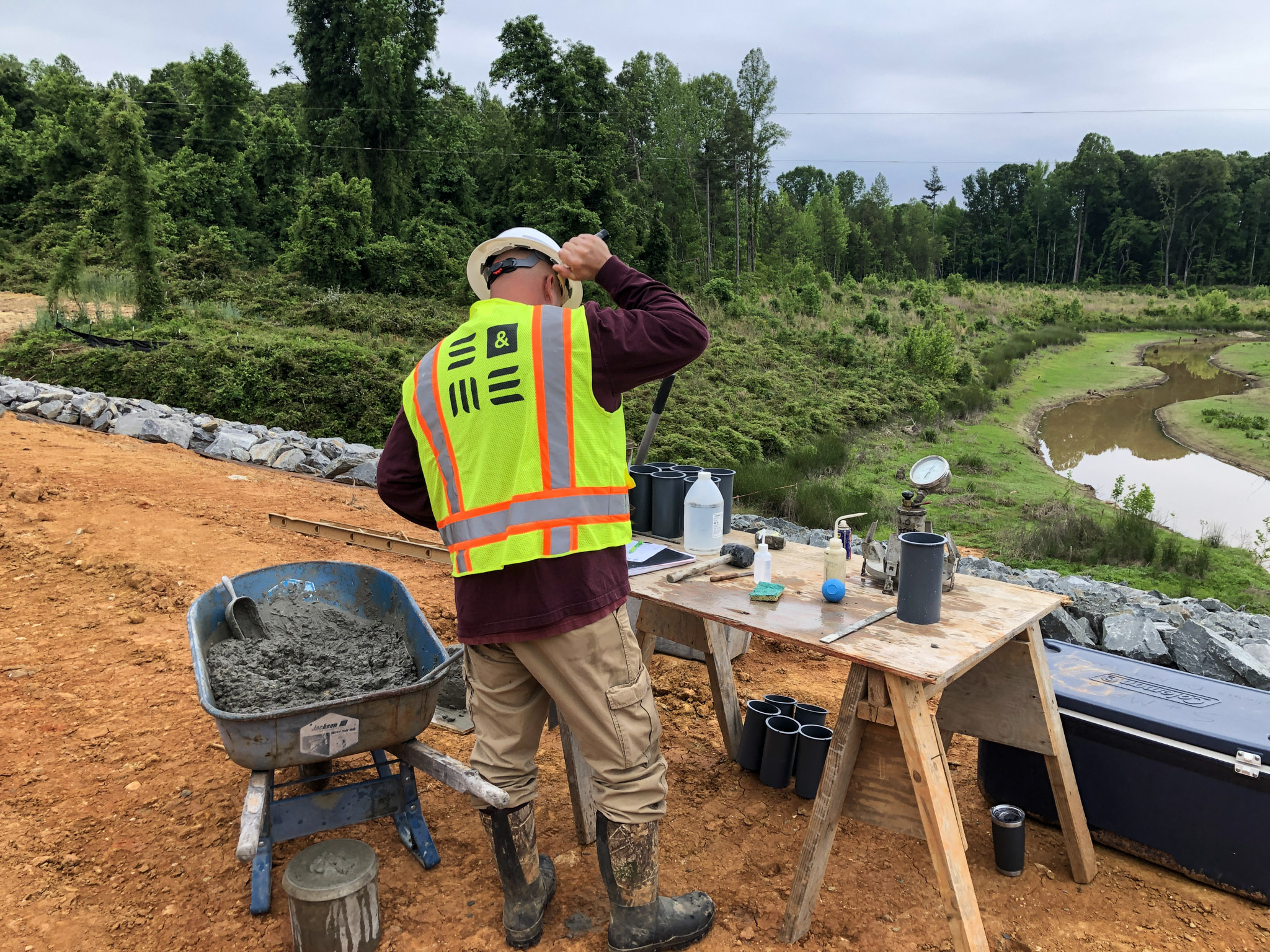
Concrete sampling and inspection.
Quality Assurance with CEI
Quality assurance is the key driver of construction engineering and inspection services. It’s essential in achieving DOT’s primary goal: effective, long‑term performance of transportation infrastructure.
This goal is achieved through CEI technicians’ independent confirmation of materials and compliance with state and federal standards. Their work is supported by 23 in-house AASHTO accredited laboratories that provide consistent, reliable testing throughout construction.
Doug shares, “Quality assurance services like CEI provide long-term value by identifying issues early and confirming construction meets design standards and specifications.”
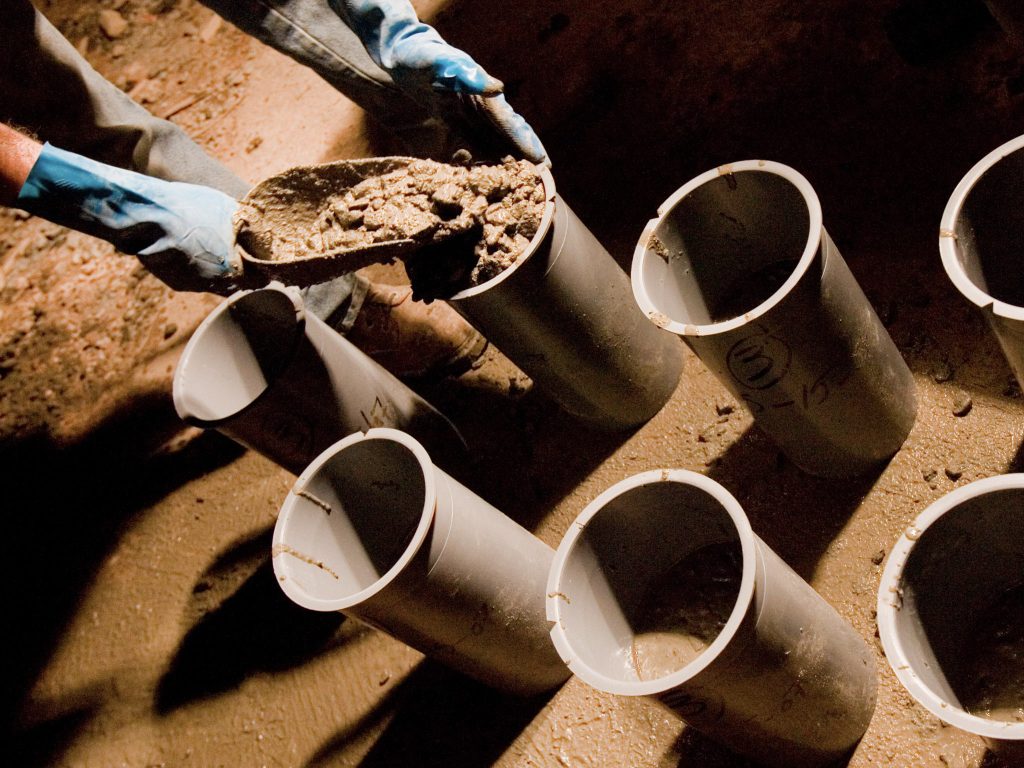
S&ME’s labs perform tests designed to confirm compliance with project plans, specifications, and ASTM/AASHTO standards.
CEI Professional Certifications
DOT projects require CEI technicians to hold certifications that align with the inspections and testing they perform. Some team members focus on structural elements, while others specialize in roadway construction or erosion control.
S&ME actively invests in its CEI workforce by supporting DOT-required training, certification programs, and continuing education.
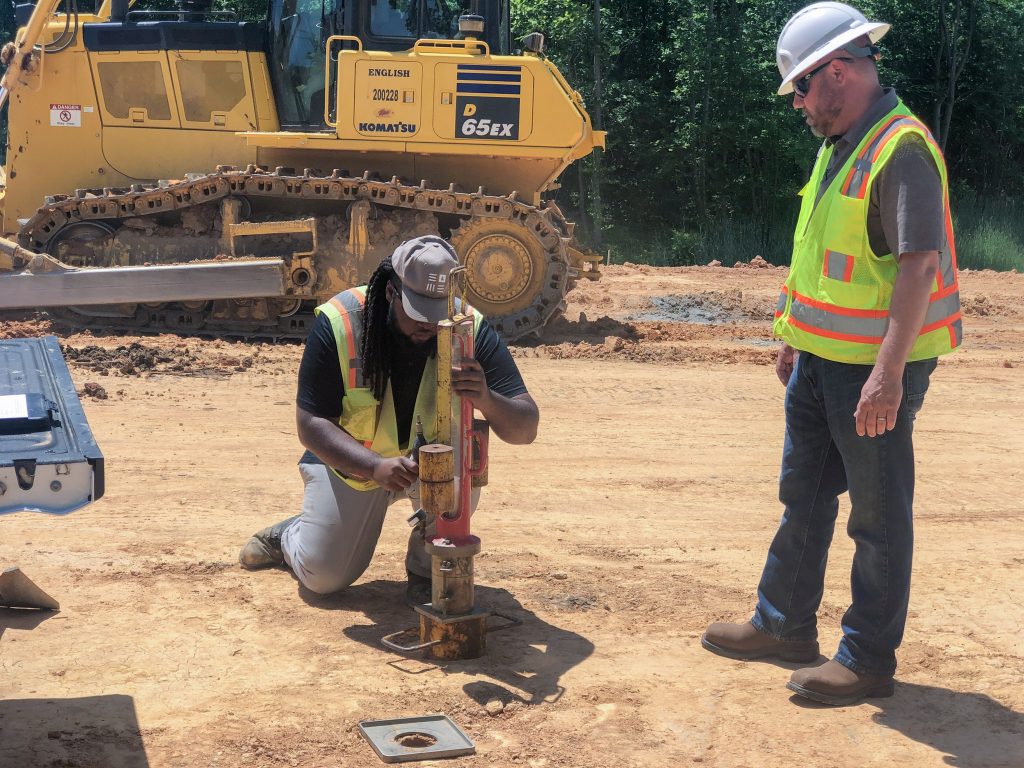
“We are growing our CEI program at S&ME to support DOT projects across our footprint. S&ME will cover the cost for you to earn certifications, allowing you to work on impactful projects. Whether you are seasoned in your career, looking for a supervisor role, or are interested in entering this industry without experience, there is so much opportunity at S&ME to make a fulfilling career,” says Doug.
Common DOT-required certifications by service:
- Structural steel, precast, and prestressed concrete inspection: Supports quality for critical structural elements through concrete field testing and confirmation activities performed by technicians holding ACI Concrete Field Testing and Conventional Density certifications.
- Asphalt mix verification, laydown inspection, and pavement evaluations: Confirms asphalt materials, placement, and compaction align with pavement performance standards. Inspection services are supported by technicians trained in Intro to Asphalt Pavements, Quality Management System (QMS) Roadway, and Conventional Density. On many DOT projects, technicians maintain an ABC Nuclear Density certification for in-place density verification.
- Aggregate sampling and materials testing: Provides field sampling and confirmation testing to document compliance with DOT requirements. Services are performed by technicians certified in ABC Sampling, ABC Nuclear Density, and Borrow Pit Sampling, supporting quality control/quality assurance (QC/QA) testing for aggregate base course and borrow materials, along with E&SC Level II oversight where erosion and sediment control is required.
Careers Paths in CEI
Many transportation technicians begin their careers as entry-level field staff, learning how to observe construction activities, document work, and support materials testing.
“We are the documenters and observers for what’s going on during highway and bridge projects. Our technicians record all construction activities that take place,” Doug explains.
Some professionals begin in broader construction services roles, performing materials testing before transitioning into DOT work.
As experience grows, technicians advance into specialized roles focused on:
- Roadway construction
- Structures
- Erosion control
- Intelligent transportation systems (ITS)
Over time, CEI professionals may step into lead technician roles, overseeing inspection teams. S&ME’s CEI teams include inspectors who started in the field and now guide multi-year transportation projects across North Carolina.
By working on a wide variety of CEI scopes and transportation structures, technicians build technical depth while shaping a career path that fits their strengths.
How S&ME Partners with DOT on CEI
CEI technicians at S&ME collaborate with DOT representatives, contractors, and other project partners throughout the construction lifecycle. Technicians have strong relationships with:
- DOT’s Construction Unit
- Resident Engineers’ Offices
- Materials and Tests Unit
“We are currently contracted with NCDOT in 12 of the 14 divisions as prime consultants for inspection services,” explains Doug.
On active DOT projects, technicians participate in pre-construction meetings, safety briefings, materials testing coordination, and daily project documentation.
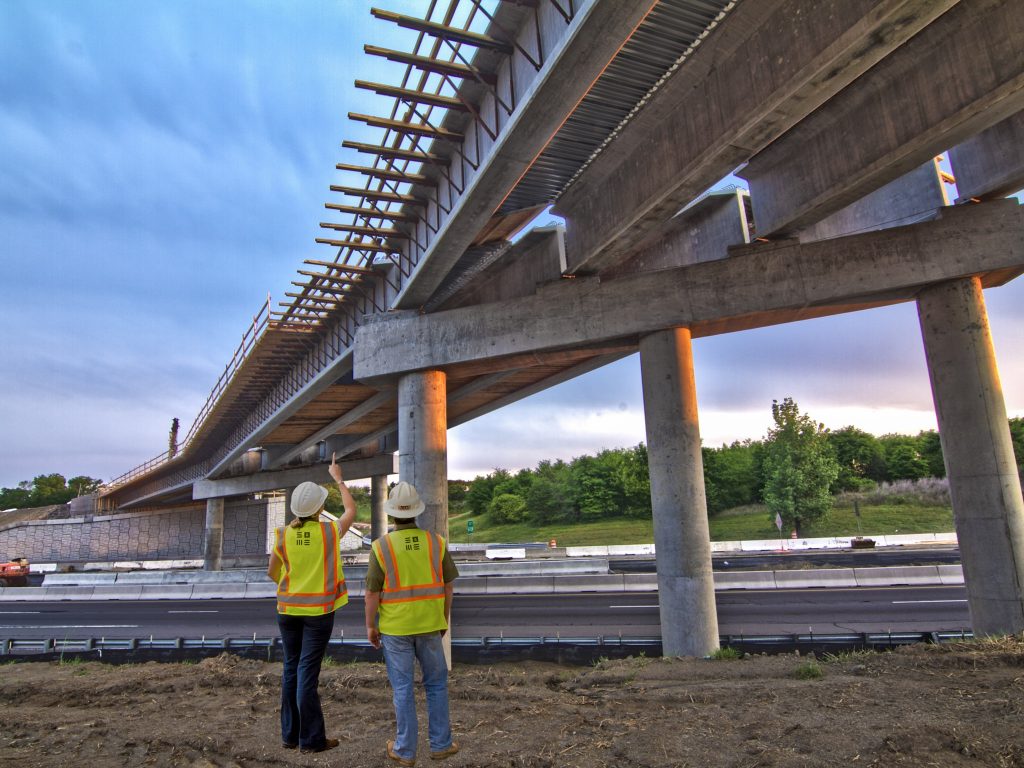
Three CEI operational offerings:
- Staff augmentation: S&ME inspectors and engineers work under the DOT’s direction, systems, and procedures in partnership with existing project staff.
- Embedment: S&ME technicians integrate into DOT’s team, often on long-term projects.
- Full oversights: S&ME, as a consulting firm, manages inspection, documentation, and coordination for DOT.
DOT Standards Guide CEI
DOT dictates minimum sampling frequencies, accepted material types, and performance tolerances. CEI workflows, tailored to DOT requirements, guide how inspectors test and document construction activities. For instance, NCDOT specifications establish minimum asphalt inspection sampling frequencies based on production quantities to verify material quality during construction. This approach identifies issues early and reduces the likelihood of undetected deficiencies.
Challenges of CEI Unique to Transportation
Transportation projects often take place in active environments with live traffic and adjacent community stakeholders.
For example, Rogers Road in Raleigh, NC is trafficked by more than 20,000 vehicles per day. CEI services on the two-lane road impact businesses, medical centers, nearby schools, and residents.
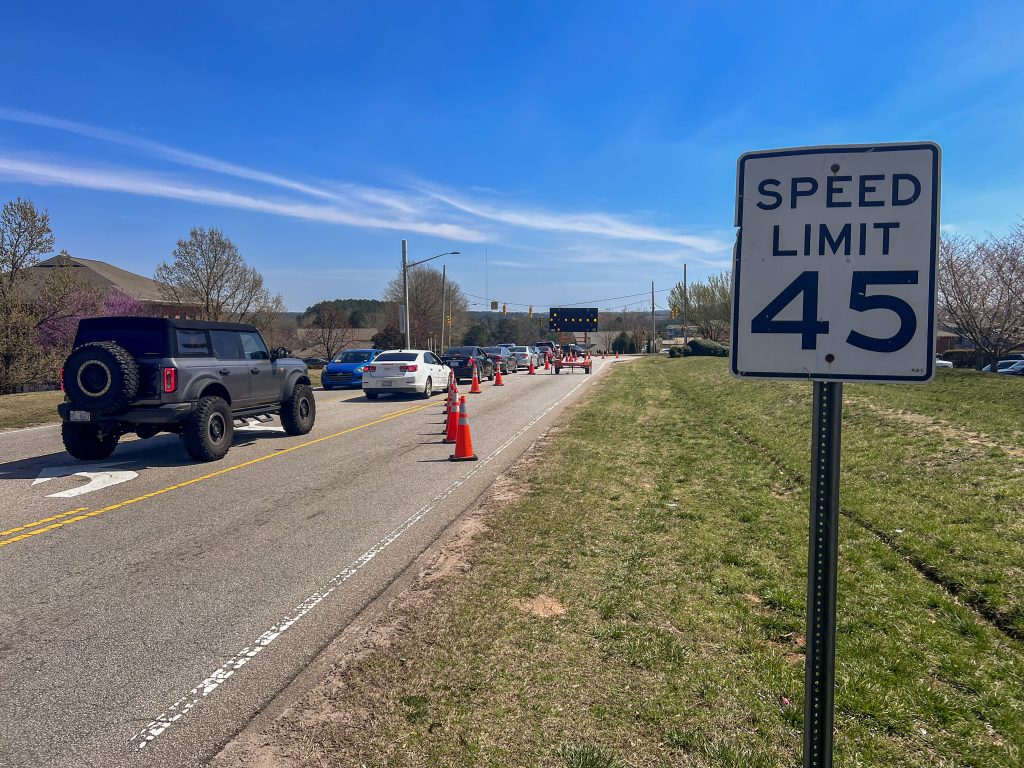
To maintain access and mobility through each phase of construction, S&ME technicians and NCDOT staff:
- Identify and implement measures that improve traffic flow
- Increase safety
- Control stormwater drainage
- Reduce utility impacts to businesses and residences
“Every project that DOT is doing is right in the middle of traffic somewhere. So, there’s got to be traffic control that has to be maintained,” says Doug Eller.
Together, they establish approved traffic control plans to protect both workers and the public. Does this service sound like a career you’d be passionate about?
