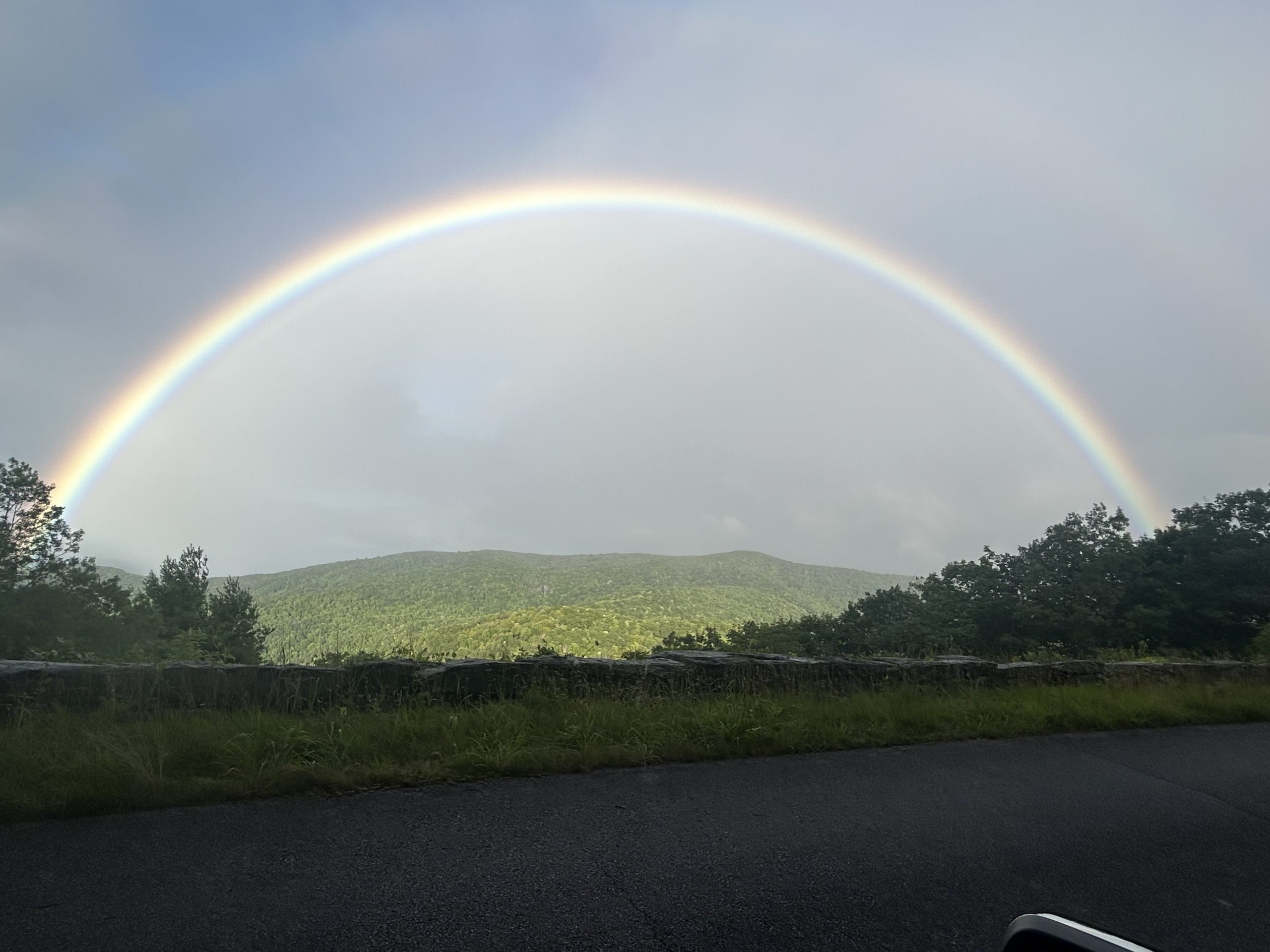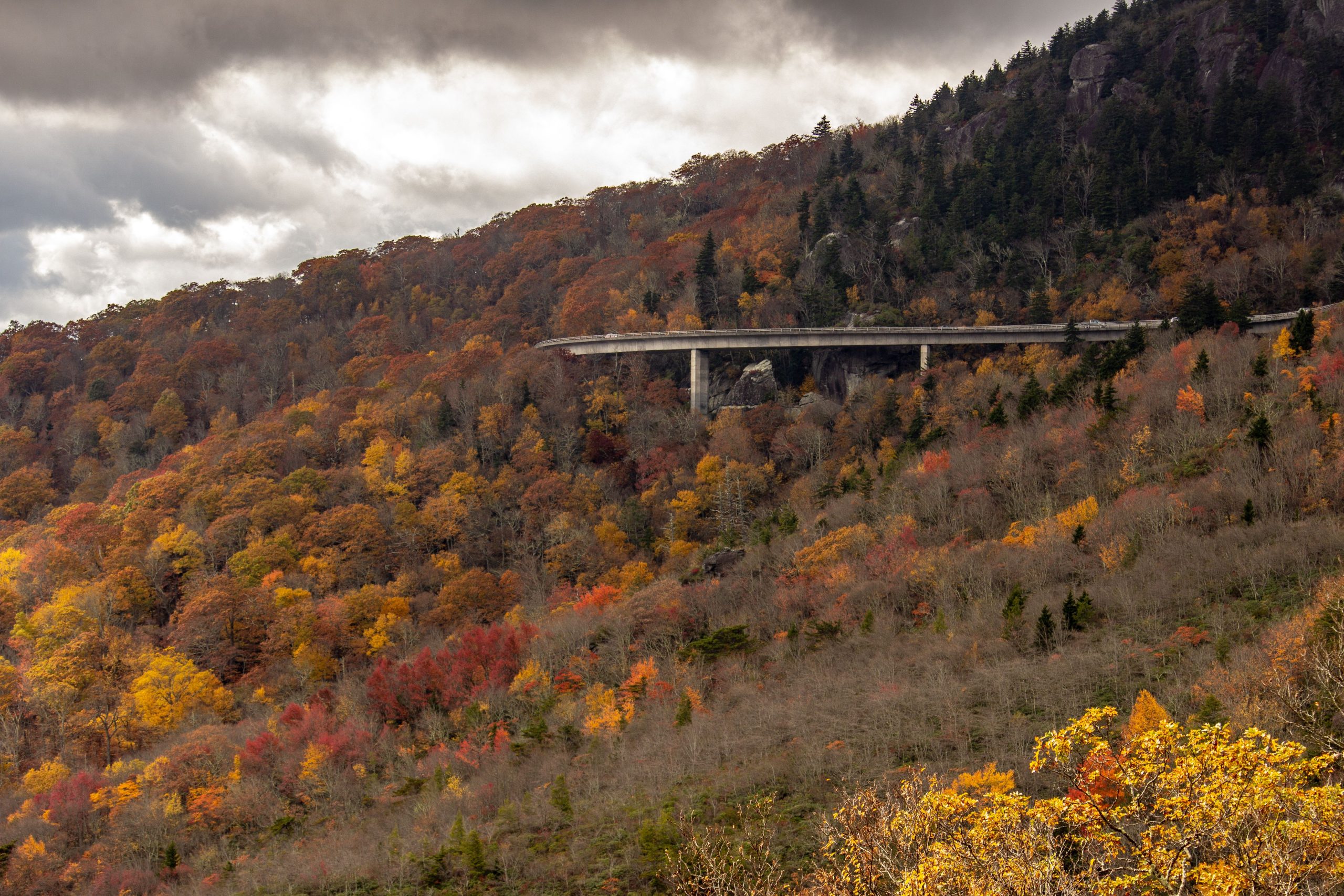
The Blue Ridge Parkway is a nationally significant transportation corridor and historic landmark. It connects the Great Smoky Mountains National Park with Shenandoah National Park. To help preserve its legacy and long-term service to the public, S&ME supported 53.5 miles of pavement rehabilitation and resurfacing across seven North Carolina counties, along with:
- Bridge replacements and repairs
- Drainage improvements
- Pipe rehabilitation
- Timber guardrail installation
- MSE retaining walls
- Stone masonry work
- Sign replacements
- Pavement markings
- Erosion control
Challenges
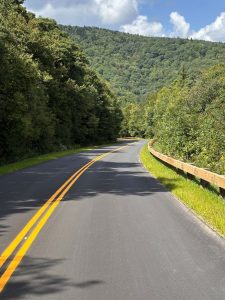
Historic preservation requirements, environmental constraints, and variable subsurface conditions required flexible field strategies to maintain progress.
Historical Preservation
Built through New Deal-era craftsmanship with elements of hand-built stone masonry and rustic wooden structures, the Parkway reflects decades of engineering. Its historic character creates a unique responsibility: improvements must support performance while respecting the original design intent, scenic experience, and cultural value.
For instance, S&ME supported the rehabilitation of the Linn Cove Viaduct, a series of bridges that opened in 1987 and earned 11 design awards for their innovative top-down construction, minimizing impacts to the sensitive mountain ecosystem. Our work included inspection and material testing of concrete bridge deck repairs, concrete abutment repairs, soil erosion control measures, and epoxy injection of structural pier cracks, helping preserve this historic transportation landmark.
Environmental Preservation
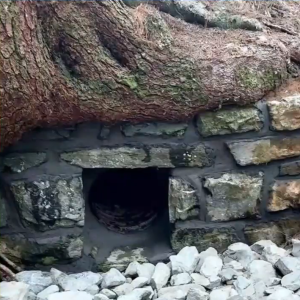
Protecting the Parkway’s natural setting was central to the work. Environmental restrictions required thoughtful field adjustments, including rebuilding a culvert headwall while preserving an existing old growth tree that could not be removed or altered.
Weather Conditions
S&ME delivered onsite inspection and testing across remote mountain terrain, where changing weather could quickly affect access and mobility.
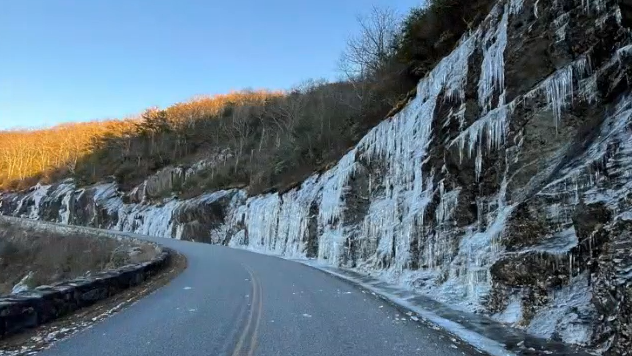
Icicles Forming Along Blue Ridge Parkway
Field Condition Impact on Testing Results
Field conditions revealed extreme variations in soil type, stone depth, and asphalt depth. An internal tarmacadam layer (a compacted road foundation made of layered, angular crushed stone combined with tar) gave the Parkway a crude pavement surface prior to being paved over. This caused varying test results for compressive strength of the reclamation design.
Our Technical Approach
S&ME recommended increasing pavement structure depth and addressing subgrade defects with undercutting. This accelerated production and reduced additional testing and sampling needs.
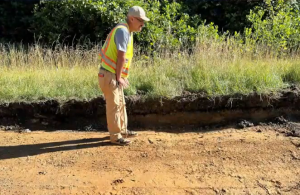
Undercutting
Quality Control
S&ME delivered $1.5M in quality control services for the onsite contractor. Our personnel worked with contractors prior to operations to align understanding and compliance with the project specifications. As the Parkway reconstruction progressed, feedback was provided to maintain specification compliance. This also included reviewing all contractor daily reports and every material submittal from the contractors. S&ME’s proactive approach helped identify and address potential issues early, reducing rework and supporting efficient project delivery.
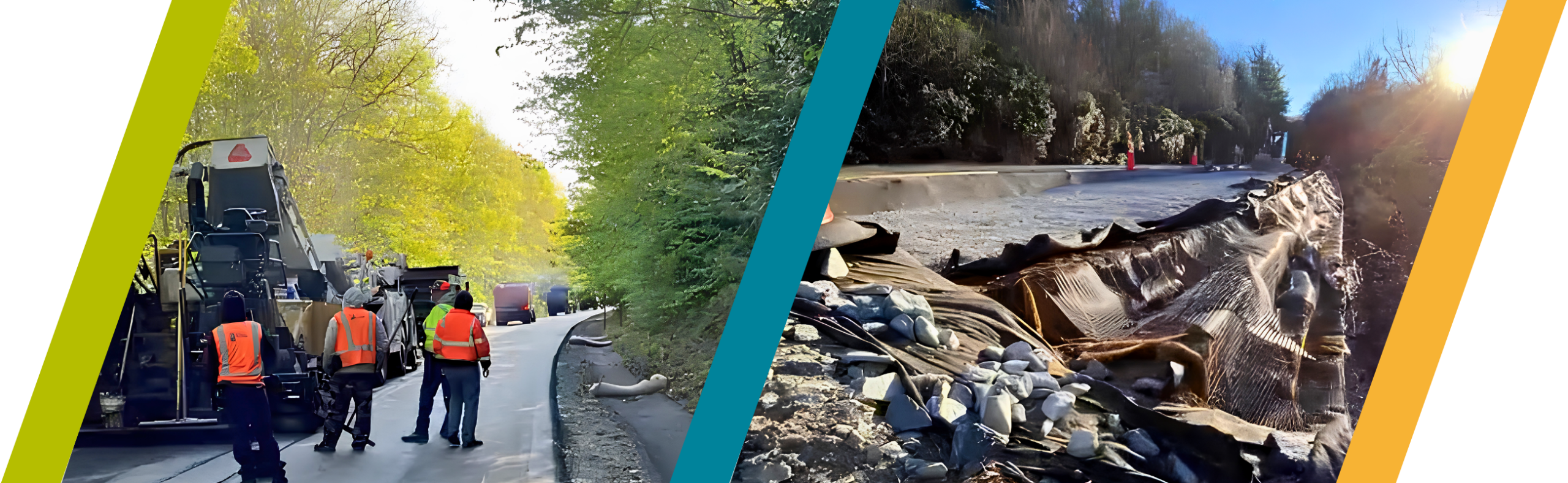
Pavement Rehabilitation and MSE Retaining Wall Reconstruction
On-Site Inspections
Inspection services involved observations and documentation of infrastructure improvements to evaluate whether construction was proceeding in accordance with Federal Highway Administration (FHWA) project specifications and National Park Service requirements.
For instance, S&ME evaluated pavement materials during roadway reconstruction. Inspection efforts also focused on preservation-sensitive elements, including historic timber guardrail systems and original roadway features such as stone masonry structures that date back more than 90 years. To maintain the parkway’s historic integrity, existing stone was carefully dismantled and reworked by hand, with very little new stone introduced to the project.
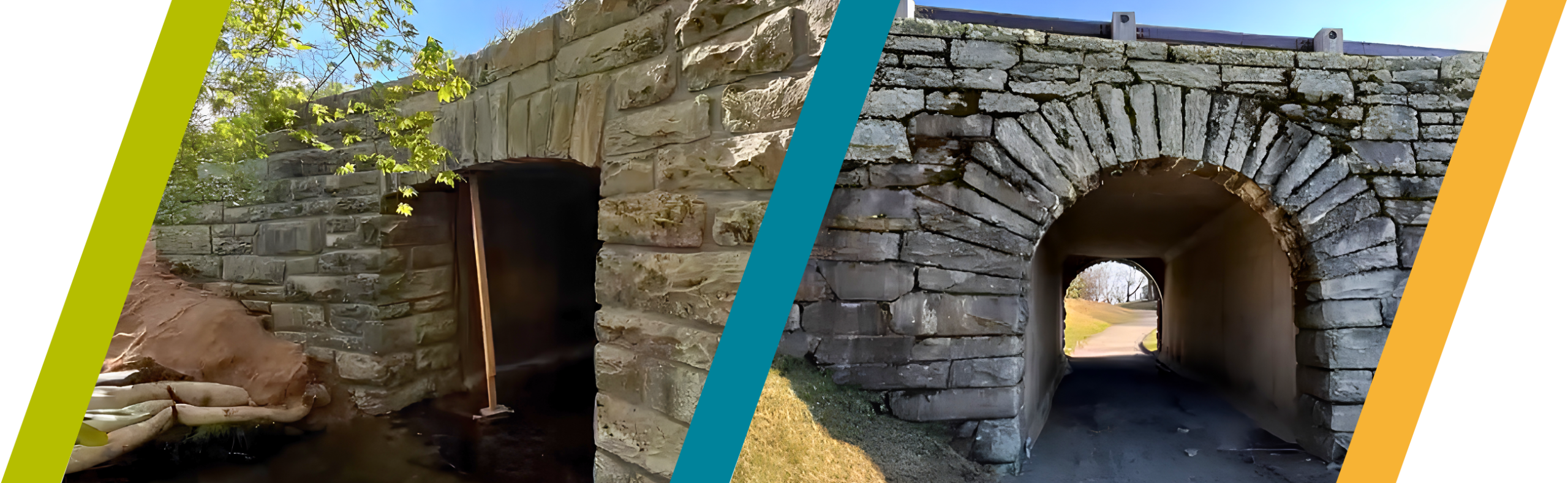
Materials and Laboratory Testing
S&ME tested a variety of soil and construction materials to meet performance expectations and regulatory requirements.
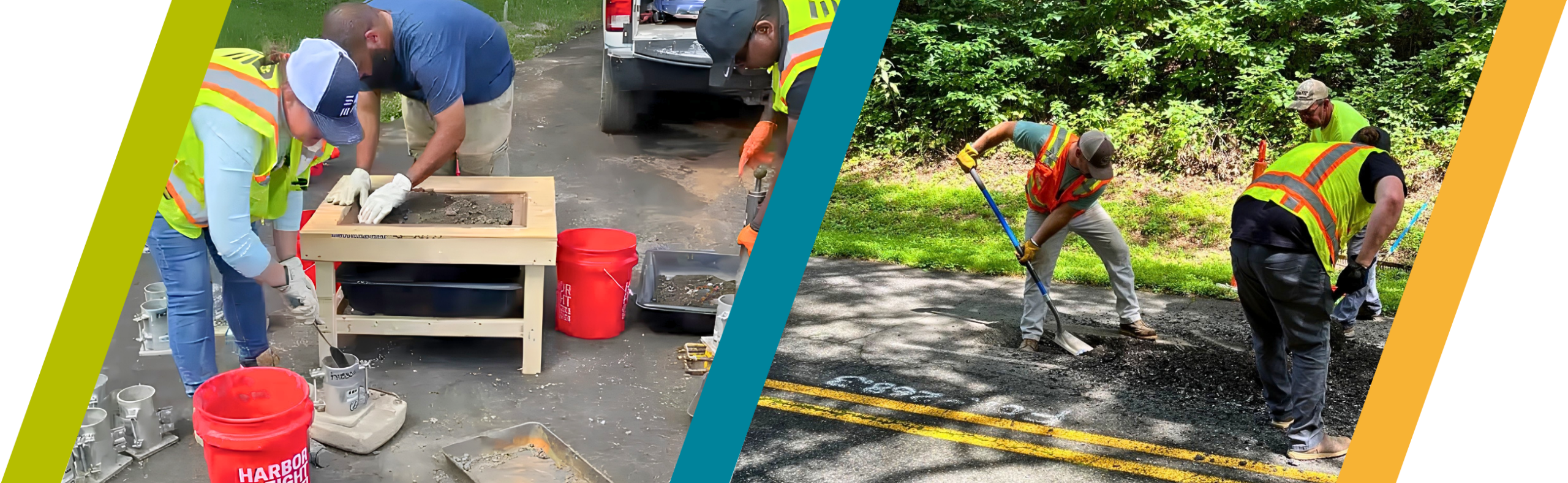
The team sampled and tested roadway materials, including asphalt, aggregate base, and subgrade soils. Geotechnical testing was also performed to evaluate engineering properties such as bearing capacity.
We partnered with CTLGroup, one of three firms in the US who are certified to test ultra-high-performance concrete, a specialized material of the parkway.
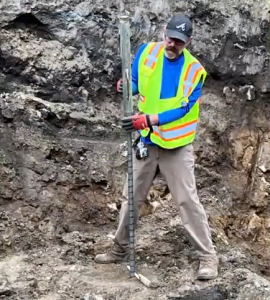
Bearing Capacity Test
Results & Impact
Through preservation-minded construction services, S&ME helped reconstruct and rehabilitate the section of the Blue Ridge Parkway while protecting its historic character. Our team’s proactive communication, paired with responsive field support, has enabled this 4-year, $100 million project to finish on time.
As the National Park System’s most visited destination of 70+ years, the Parkway plays an important role in regional tourism and the visitor experience. This work supported continued access to a scenic route that connects communities, landscapes, and generations of travelers.