July 30, 2026
Geotechnical Investigation, Construction Services, and Predrilling Support for Large-Scale Deep Foundations
Location: Alcoa, Tennessee
Client: Metropolitan Knoxville Airport Authority
Partner: Gresham Smith, CHA Consulting, Messer Construction Co.
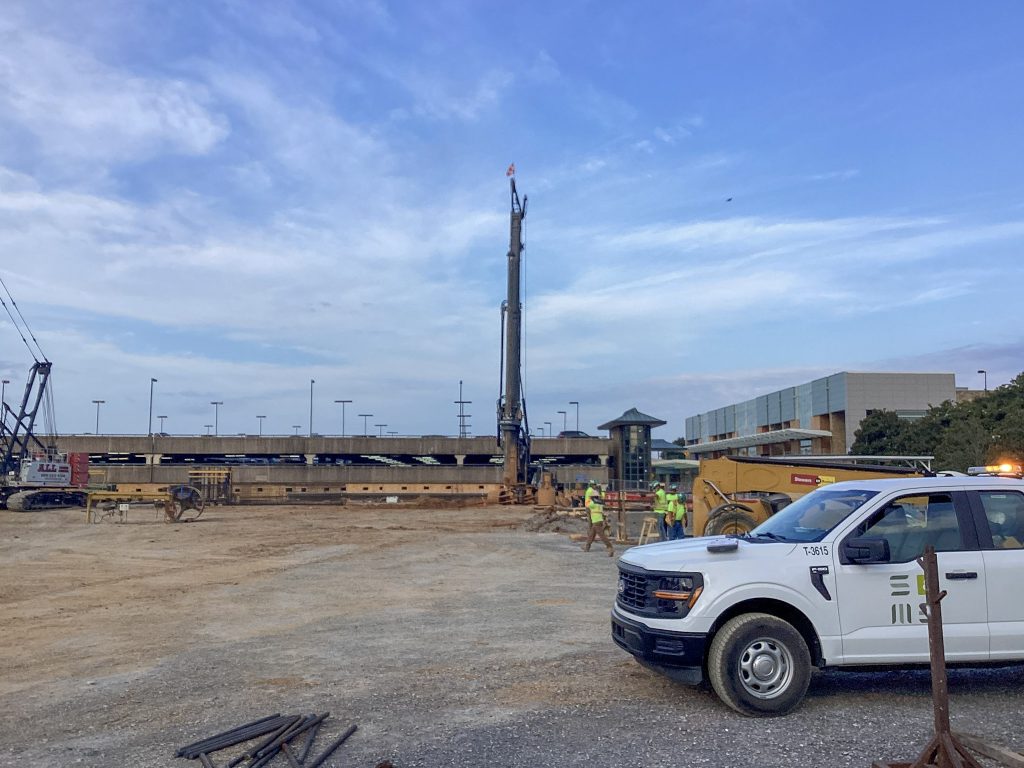
- Advanced construction of a six-story airport parking garage through highly variable karst geology
- Identifies pinnacled bedrock, voids, and cavernous conditions through geotechnical field exploration
- Managed phased Drilling, Construction Materials Testing, and Special Inspections within an active airport environment
- Helped guide a hybrid drilled pier and micropile foundation system as site conditions evolved
- Pivoted drilling methods in real time under some of the most difficult conditions encountered by the project team
The Project
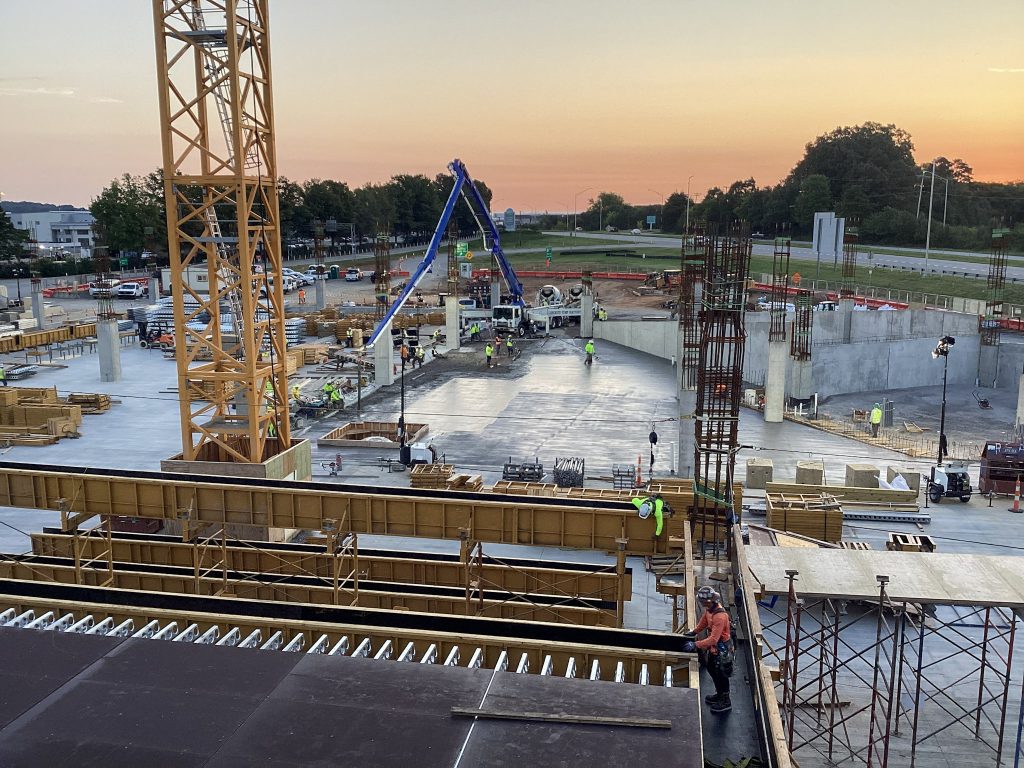
As one of the fastest-growing airports in the US, McGhee Tyson Airport (TYS) launched a $185 million infrastructure expansion in 2024 that included a new six-story parking garage supported by deep foundations.
Early subsurface data suggested challenging conditions beneath the site. As planning advanced, the project team saw the need for geotechnical investigation and predrilling support to better understand rock elevations, void conditions, and drilled shaft requirements.
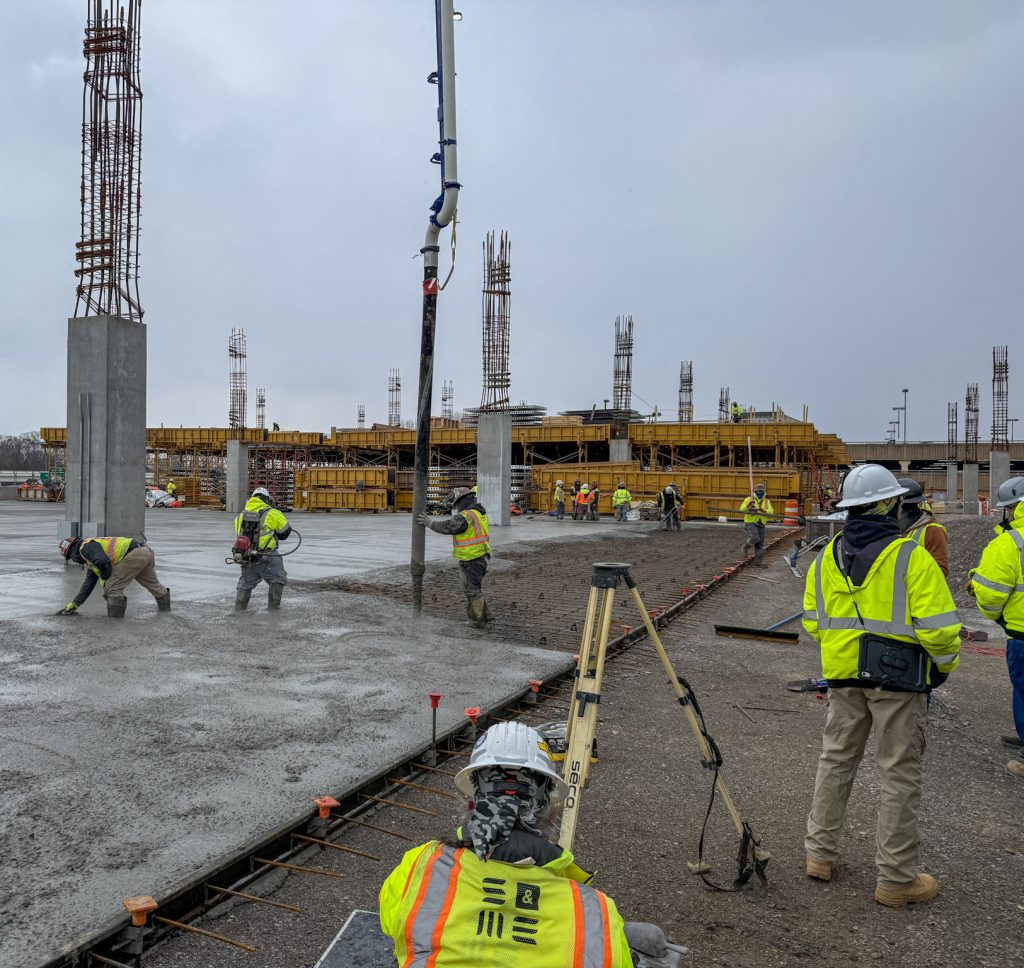
Building on previous runway infrastructure work at TYS, S&ME was selected to support active construction and ongoing subsurface evaluation throughout the program. Scope of work included:
- Predrilling to determine drilled shaft tip elevations
- Rock coring and subsurface profiling
- Construction Materials Testing (CMT)
- Special inspections
- Ongoing foundation support during construction
The Challenge
Initial assumptions had anticipated rock depths near 40 feet. But S&ME’s predrilling work revealed top-of-rock elevations ranging from 41 feet to more than 176 feet.
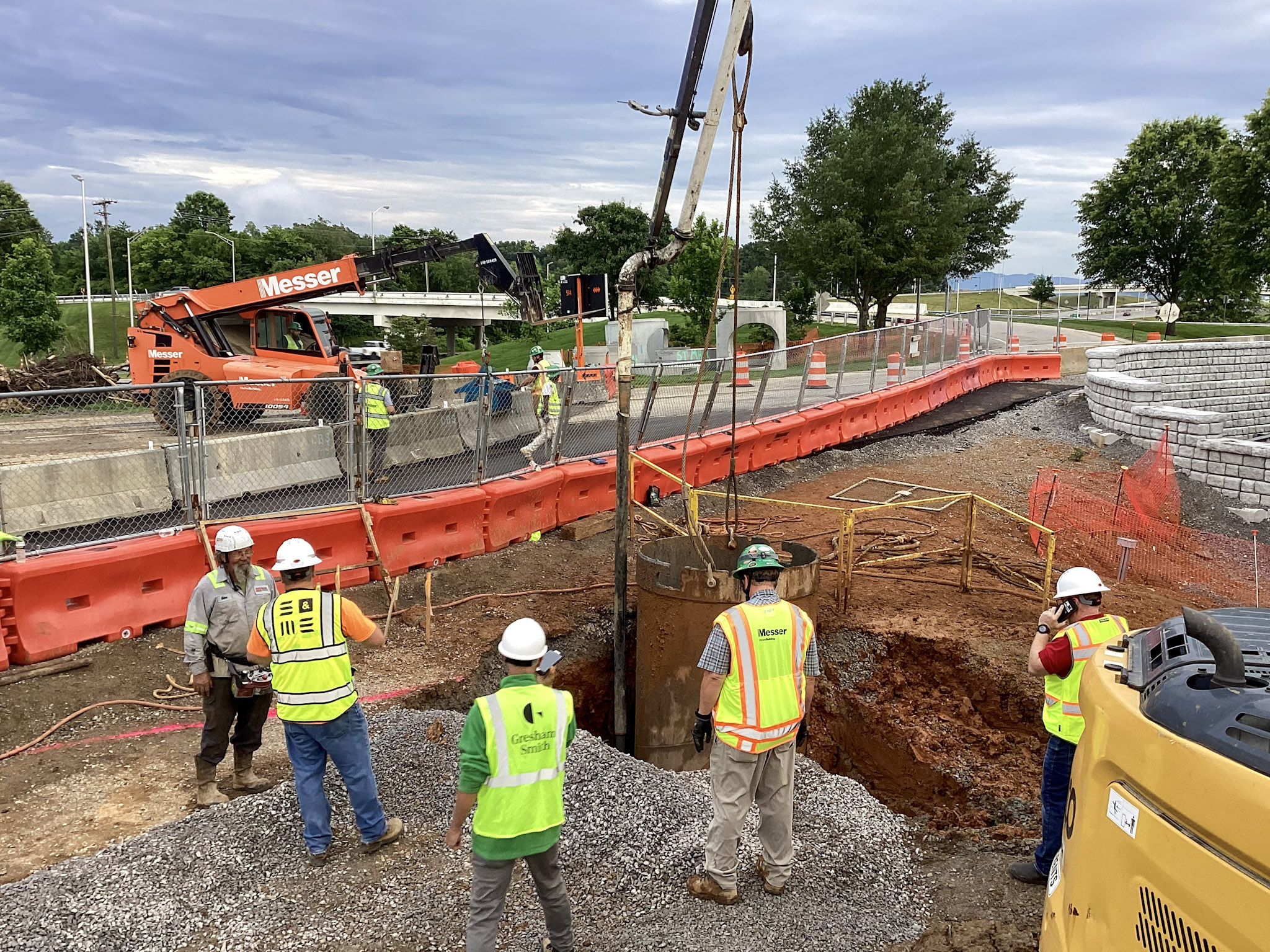
During predrilling of the shaft locations, the team was able to better identify pinnacled bedrock, extensive voids, and cavernous conditions. The newfound geotechnical data would reshape shaft depths, rock coring demands, and foundation requirements across the site. As drilled shaft construction progressed, the subsurface conditions continued to be a challenge, further complicated by an unexpected sinkhole.
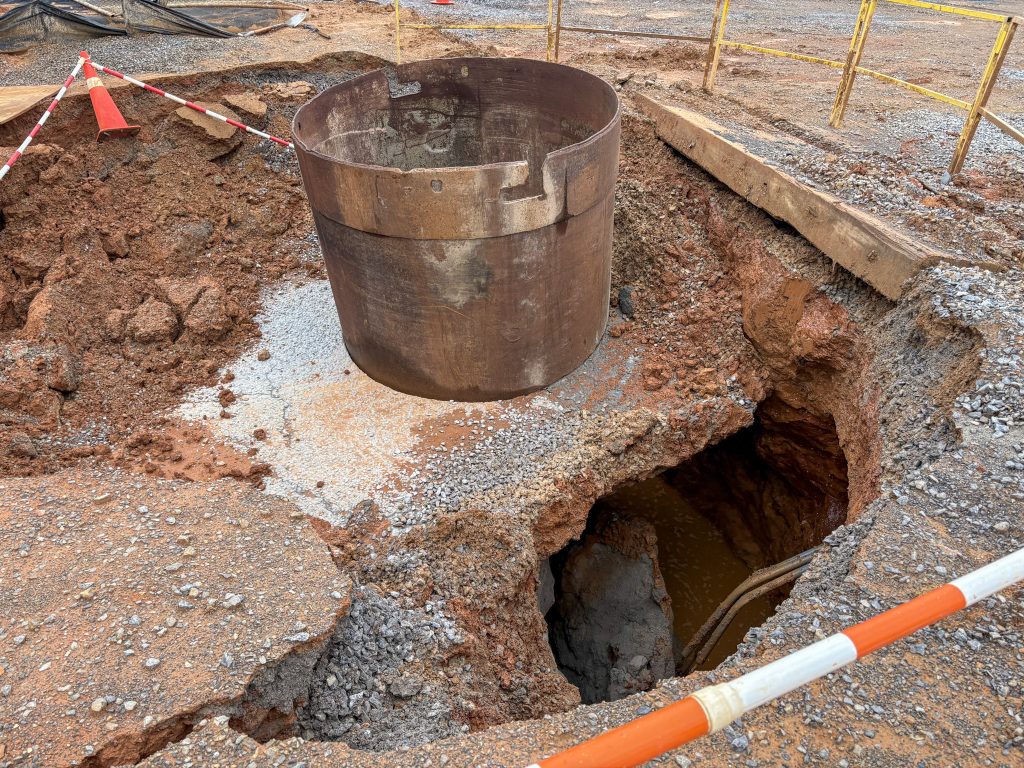
S&ME’s geotechnical staff worked with the design team and contractor to identify locations, based on our subsurface data from the predrilling, where construction was more favorable for continuing construction while a plan could be developed for the locations more impacted by the karst conditions. Ultimately, the design team developed a hybrid foundation system that would allow the project to continue moving forward.
“From a construction services perspective, the scale of this project was significant. The level of coordination required to keep everything moving within an active airport environment with these subsurface conditions was a challenge,” said Vice President and Principal Engineer, Shane Pike, PE. “Every phase required careful planning and constant communication across teams.”

Key Constraints
- Original borings focused on the existing parking garage footprint, severely underestimating variability across the expanded structure area
- Rock elevations varied by more than 135 feet across the site, with soil-filled cavities and voids at times exceeding 18 feet
- Some locations required more than 100 feet of rock coring to meet bearing criteria
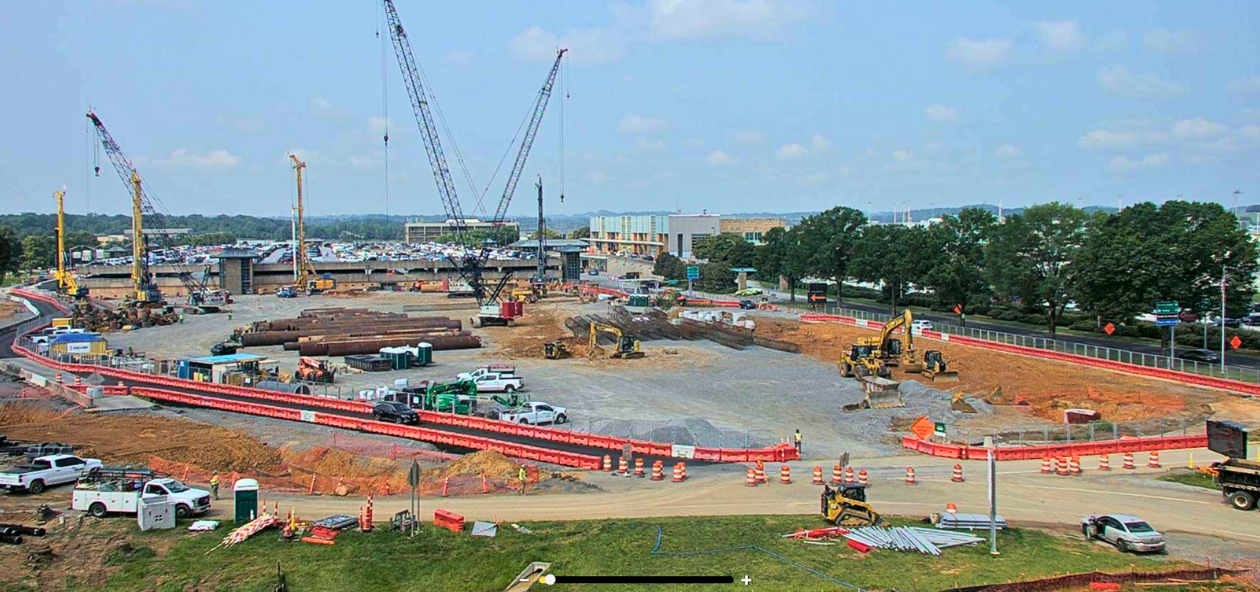
- Work sequencing extended over ~17 months, requiring ongoing mobilizations around active caisson construction, shifting foundation requirements, and maintained parking operations
Our Approach
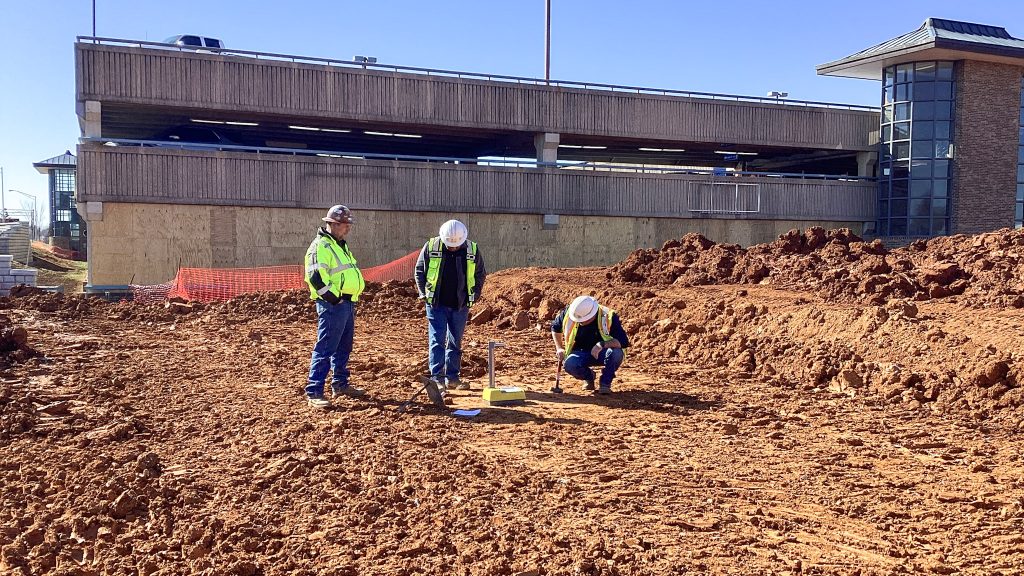
As subsurface conditions became clearer, the scope and complexity of the work grew. What began as 111 smaller caissons ultimately became 98 larger drilled shafts, requiring S&ME to expand predrilling and rock coring efforts as some socket elevations extended beyond 200 feet.
Throughout this work, S&ME continuously refined subsurface mapping and geotechnical drilling data, including heat maps showing top-of-rock and top-of-socket elevations. These real-time findings helped the project team adapt foundation plans, drilling depths, and construction sequencing. It also guided permanent casing decisions in deeper caissons where voids and unstable ground were prevalent.
“From the field exploration side, we were seeing conditions change dramatically across relatively short distances,” said Field Exploration Services Manager, Christian Moloney. “Predrilling gave the team the information needed to adjust in real time rather than reacting after the fact.”

At the same time, soft soils and pinnacled bedrock repeatedly complicated casing installation during drilling operations, leading to lost tooling. In response, S&ME pivoted mid-project to mud rotary drilling methods. This field-driven adaptation allowed crews to safely advance casing and recover critical geotechnical data.
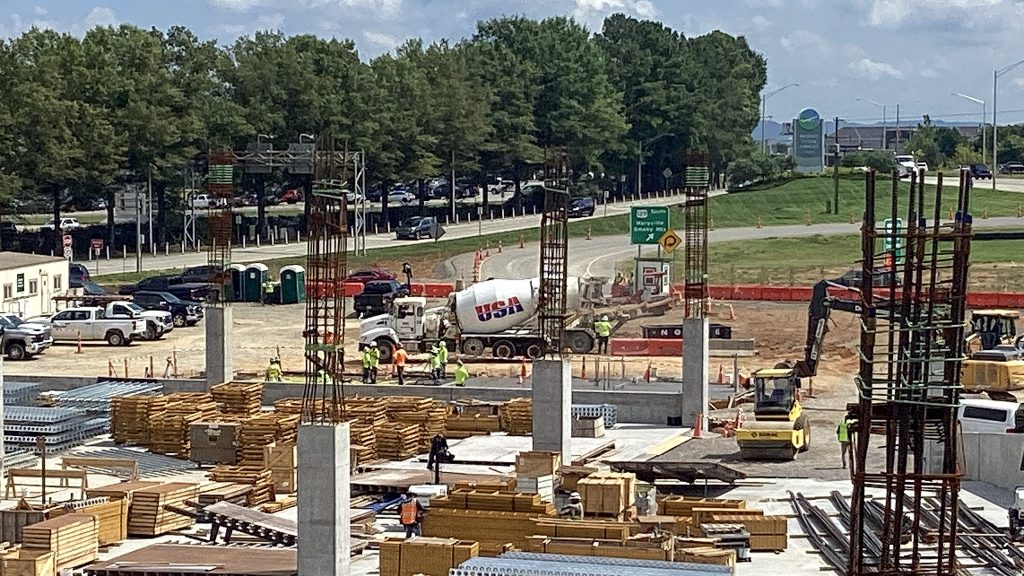
Coordinating Across Constant Change
- The project’s scale and complexity brought together crews across drilling, engineering, and field operations from five S&ME offices
- Active airport operations required near-daily coordination around sequencing and mobilizations
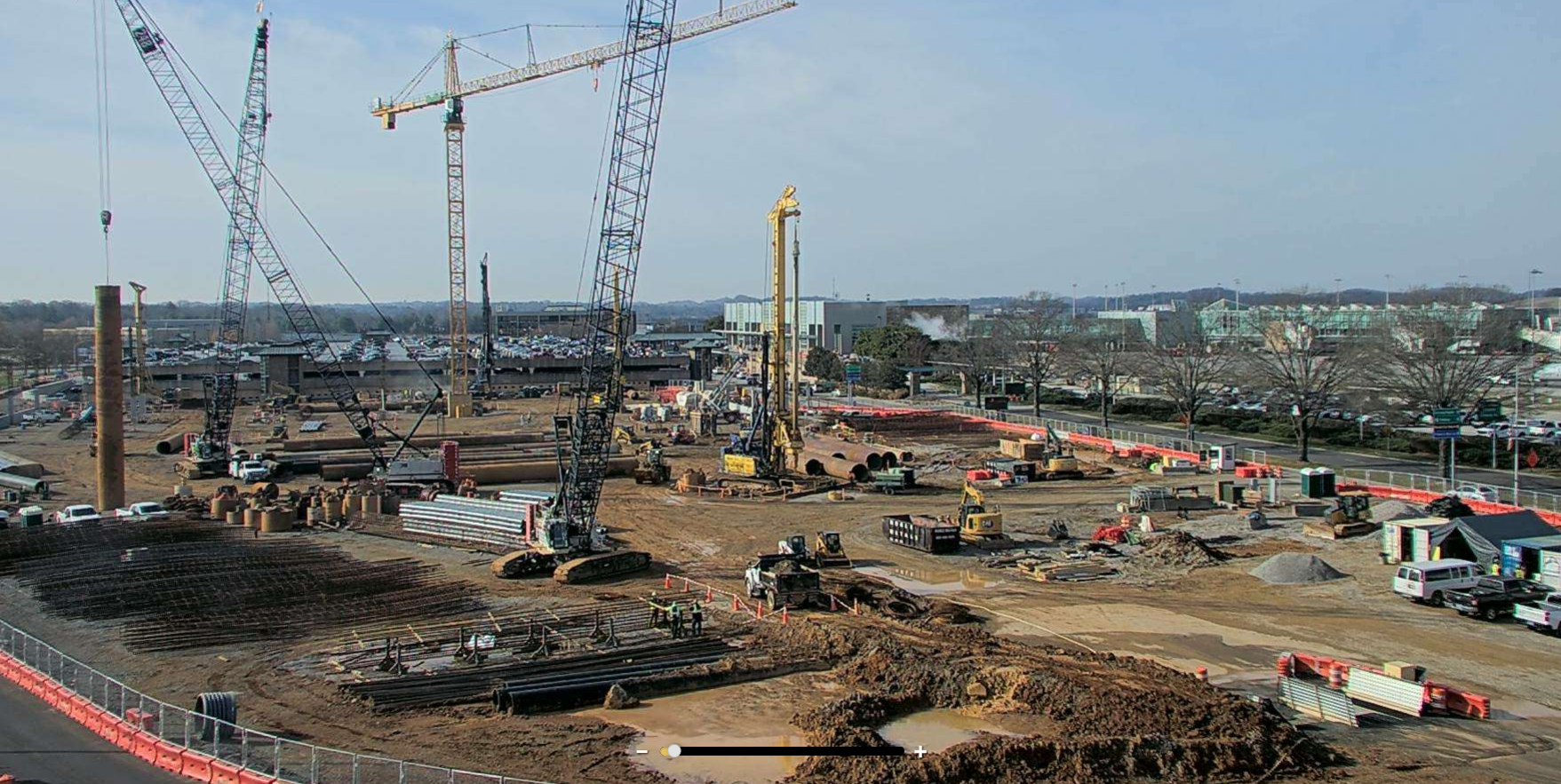
- Seven drill rigs and over a dozen S&ME personnel were mobilized on-site simultaneously to keep construction moving on schedule
- Materials testing and Special Inspection demands grew substantially as foundation redesigns and drilling requirements intensified
- Early, frequent communication helped project partners understand and manage escalating costs from expanded drilling scope while preserving trust
The Impact
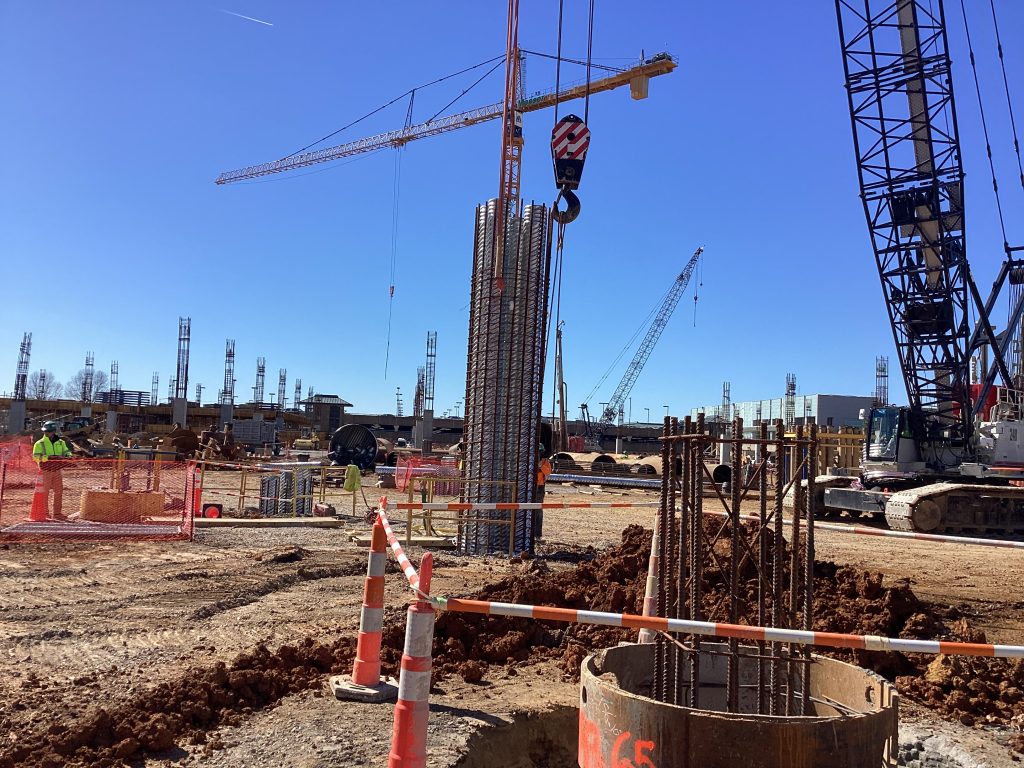
8,600 feet of drilled piers.
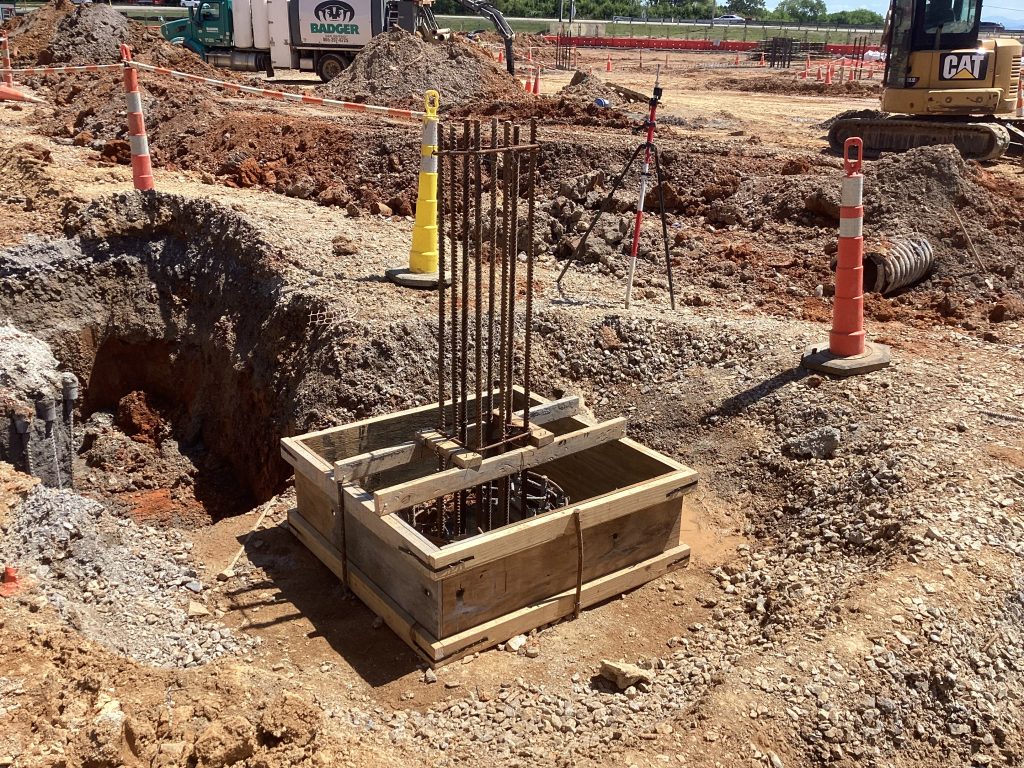
28,000 feet of micropiles.
S&ME’s geotechnical consulting and predrilling work gave the project team a clearer understanding of subsurface conditions under some of the most difficult drilling conditions our team has encountered.
Even as the project grew more complex, S&ME’s field-driven innovations and agility helped keep foundation construction moving forward. After more than 8,600 feet of drilled piers and 28,000 feet of micropiles, the project had encountered no subsurface-related stoppages.
Geotechnical Services Manager, Joshua Baines, EI, shares: “This was one of the most challenging subsurface profiles we’ve worked in. What made the difference was the ability to continuously refine our understanding of site conditions and translate that into actionable guidance for the design and construction teams.”
Already, this success is influencing how future transportation infrastructure is planned at TYS — with earlier and more comprehensive geotechnical investigations requested by the client moving forward, including for additional parking structures and terminal expansions.
This reflects not only the impact of S&ME’s technical execution, but the importance of transparency, adaptability, and continuous coordination in this work.
Talk with our geotechnical consultants